Equinor Began Drilling Operations Under the Raia Project Offshore Brazil

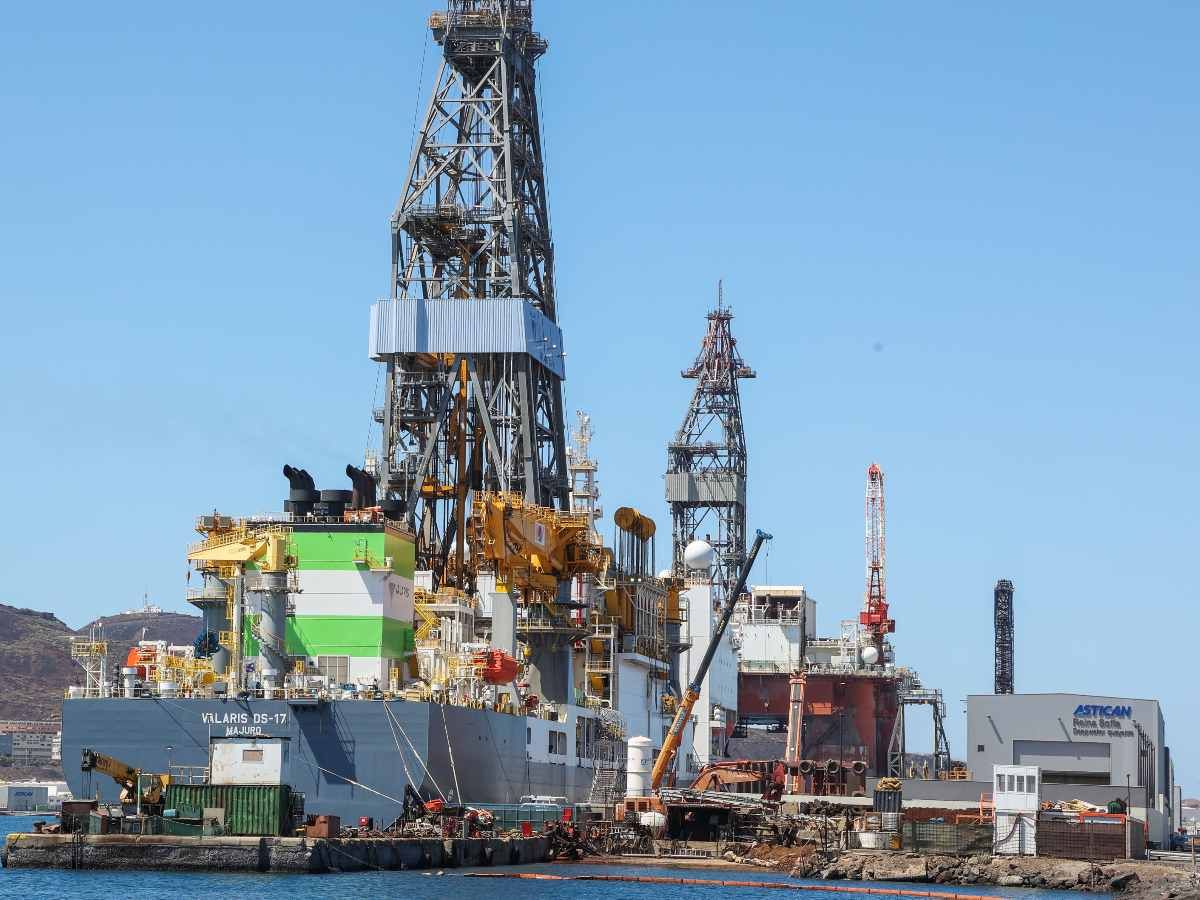
Equinor has started drilling operations under the Raia project on the continental shelf of Brazil.
This was reported by the company’s press service.
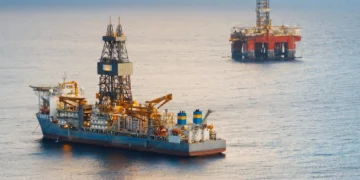
As part of the drilling campaign, 6 wells are planned to be drilled approximately 200 km off the coast of Brazil at a depth of about 2,900 m. The drilling vessel Valaris DS-17, contracted for this operation in July 2024, began work on March 24. This is one of the most significant gas projects under development in Brazil. It is also Equinor’s largest foreign investment — about 9 billion US dollars.
DS-17:
- is an ultra-deepwater drilling vessel;
- design — GustoMSC P10000;
- built by the South Korean shipbuilding company Hyundai Heavy Industries;
- accommodates 210 people;
- capable of operating at depths of more than 3.6 thousand metres;
- has been operating on the Brazilian continental shelf for Equinor since September 2023.
“Raia is Equinor’s largest project currently under development and the deepest-water operation in our portfolio. While drilling is ongoing, work is actively progressing on the integration and commissioning of the FPSO, which will allow us to safely start production in 2028,” said G. Tungesvik, Executive Vice President for Projects, Drilling and Procurement at Equinor.
Raia Project
Raia is located in the Campos Basin and involves the development of two pre-salt gas fields — Raia Manta and Raia Pintada. Total recoverable reserves of natural gas and gas condensate exceed 1 billion barrels of oil equivalent.
Project partners:
- Equinor (operator since 2016) — 35%;
- Repsol Sinopec Brasil — 35%;
- Petrobras — 30%.
Raia Manta and Raia Pintada fields:
- located in block BM-C-33 (discoveries were made by Repsol Sinopec in 2010);
- a declaration of commerciality and development plans for the two fields within the block were submitted by Equinor to Brazil’s National Petroleum Agency (ANP) in September 2023;
- the selected development concept includes the use of one FPSO with a capacity of 126 thousand barrels per day;
- gas export capacity — 16 million cubic metres per day (about 15% of Brazil’s total gas demand);
- the development of Raia Manta and Raia Pintada will be the first project in Brazil to process gas offshore and connect directly to the national gas transmission system without onshore processing;
- the average CO₂ emissions over the project lifecycle are estimated to be less than 6 kg per barrel of oil equivalent;
-
low carbon intensity will be ensured through combined-cycle gas turbines;
-
these are combined gas and steam units, which significantly reduce carbon emissions during operation;
-
the use of a gas turbine together with a steam turbine allows utilization of excess heat that would otherwise be lost.