Oil Production in the UAE Declined by More Than 50%

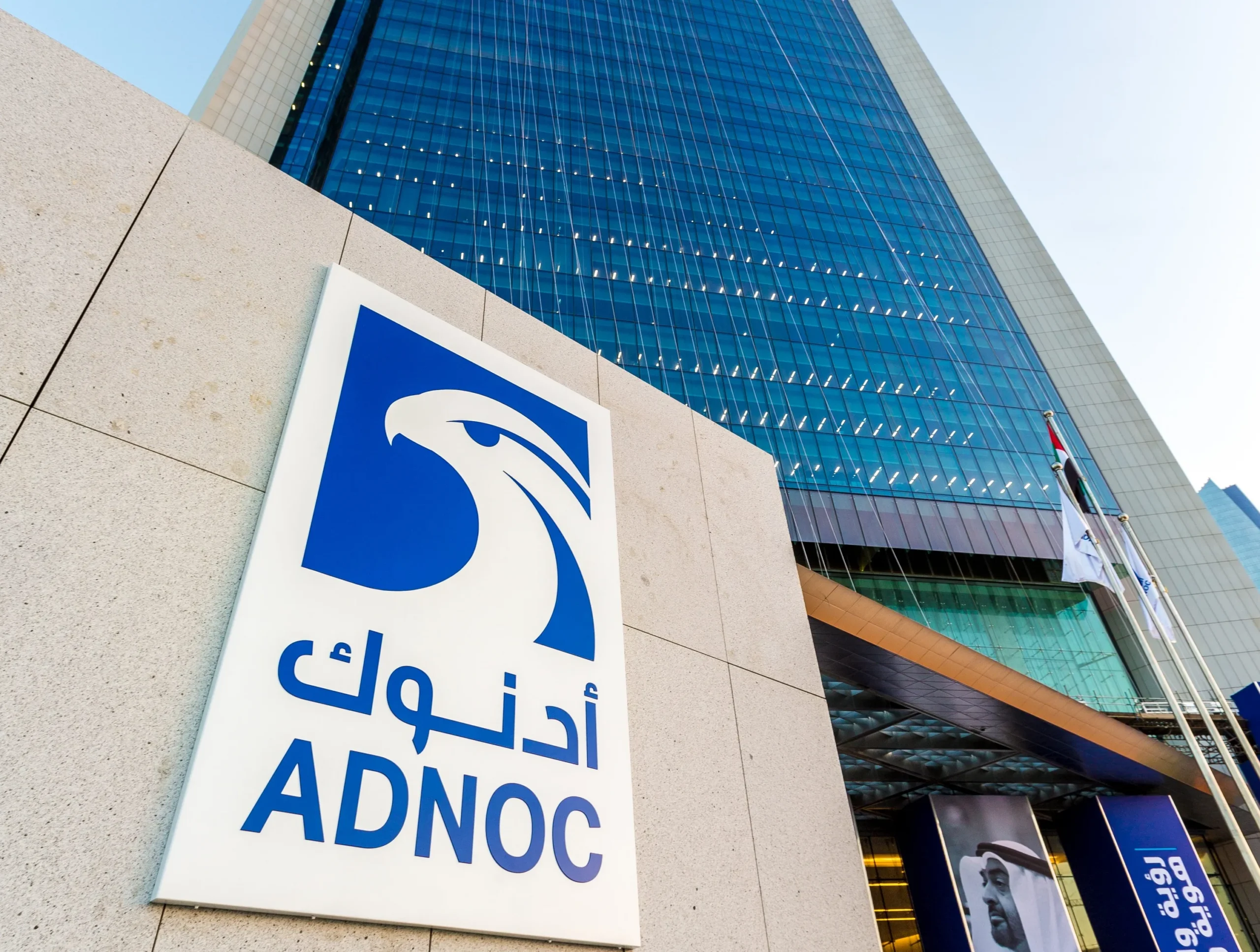
Oil production in the United Arab Emirates has fallen by more than 50% amid the military conflict in the Middle East and the effective closure of the Strait of Hormuz, Reuters reported on March 16, citing sources.
According to the sources, the Abu Dhabi national oil company Abu Dhabi National Oil Company (ADNOC) was forced to partially suspend oil production, with temporary restrictions affecting both offshore fields and onshore projects. ADNOC had previously stated that it was regulating offshore production volumes based on available storage capacity. However, sources indicate that offshore operations are now fully halted.
According to Organization of the Petroleum Exporting Countries data, oil production in the UAE in January 2026and February 2026 stood at around 3.4 million barrels per day, accounting for more than 3% of global demand.
The effective closure of the Strait of Hormuz, through which approximately 20% of global oil supplies normally pass, is also forcing other Middle Eastern countries to reduce production.
On March 16, the oil port in Fujairah (UAE), located on the Gulf of Oman, was hit by another drone attack and temporarily suspended operations. The port, a major oil storage hub, had only resumed operations on March 15following a previous drone strike.
Additionally, on March 10, it was reported that the UAE’s largest refinery, located in Ruwais, had been shut down due to a drone attack and a fire in the surrounding area.
According to Reuters, Saudi Arabia, the largest oil producer in the Organization of the Petroleum Exporting Countries, reduced production by approximately 20% due to the conflict, while Iraq cut output by 70%. In total, analysts estimate that oil production cuts across the region amount to 7–10 million barrels per day.
Damage to oil infrastructure in the UAE, along with other consequences of the escalating Middle East conflict, is also affecting oil prices. As of 18:04 Moscow time on March 16, the price of May Brent futures on ICE Futures reached 101.92 US dollars per barrel.
Middle East Conflict
Amid the blockage of the Strait of Hormuz, the importance of terminals capable of exporting oil bypassing the conflict zone has increased sharply. The United Arab Emirates and Saudi Arabia are playing a key role in enabling alternative supply routes, as they are the only countries in the Persian Gulf able to export part of their oil outside the closed waterway.
Under these conditions, the International Energy Agency reported that Persian Gulf countries, including Iraq, Qatar, Kuwait, the United Arab Emirates, and Saudi Arabia, have reduced total oil production by at least 10 million barrels per day. However, without a rapid resumption of shipping through the Strait of Hormuz, losses may continue to grow. To mitigate the impact of supply disruptions on the global economy, on March 11, 2026, member countries of the International Energy Agency agreed to release an unprecedented 400 million barrels of oil from emergency reserves.