



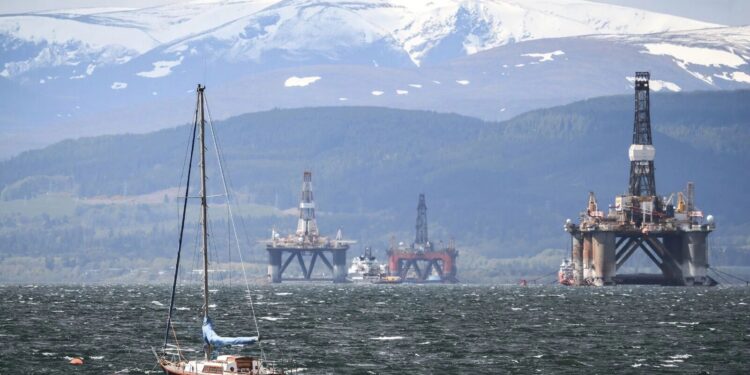
Equinor Discovered Oil Deposits in the Barents Sea

The Norwegian company Equinor has discovered new oil deposits in the Polynya Tubåen subsoil area in the Barents Sea. This was reported by the company’s press service. The new discovery was made during the drilling of exploration well 7220/7-5, located 16 km southwest of well 7220/8-1 at the Johan Castberg …
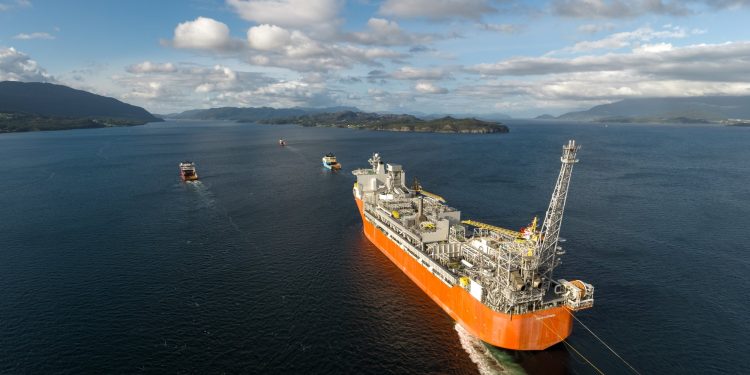
New Oil Asset in the Arctic
Norway has officially brought one of its most important Arctic energy projects into production. On March 31, 2025, the Johan Castberg oil field in the Barents Sea began operations, marking a major milestone in the country’s strategy to develop Arctic resources and solidify its position as a key energy supplier …
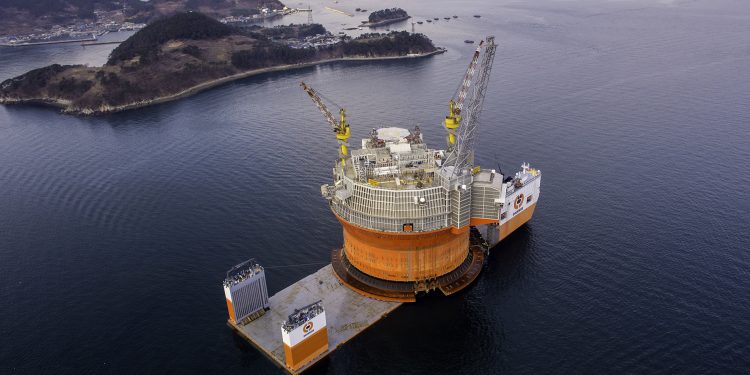
Oil and Gas Production on the Norwegian shelf Will Peak in 2025
Norwegian companies need to step up exploration and improve production efficiency in order to avoid a drop in oil and gas production after 2025, the Norwegian Offshore Directorate believes. Oil and gas production on the Norwegian continental shelf will reach a maximum in 2025, and then it is expected to …

Aker BP Discovers the Hassel Gas Field in the Barents Sea
Norwegian oil and gas company Aker BP has completed drilling of exploration well 7324/8-4 (Hassel) and explored a gas reservoir in the Barents Sea, approximately 300 km from the northern coast of Norway. This was reported by the Norwegian Offshore Directorate (NOD). Hassel field According to preliminary estimates, the volume …

Equinor Is Ready to Begin Drilling Work at the Johan Castberg Field in the Barents Sea
The Norwegian Ocean Industry Authority (Havtil) has granted Equinor permission to drill at the Johan Castberg field in the Barents Sea. Havtil reports. Transocean Enabler Drilling operations will be carried out using a semi-submersible drilling rig (SSDR) Transocean Enabler: built at the South Korean shipyard Daewoo Shipbuilding & Marine Engineering …

Norway Starts Chasing Arctic Oil and Gas
The Norwegian government is urging energy giants to step up oil and gas exploration projects in remote regions like the Barents Sea in the Arctic, ignoring protests from climate companies as the Scandinavian country seeks to solidify its position as Europe’s biggest gas supplier. Norway overtook Russia last year as …
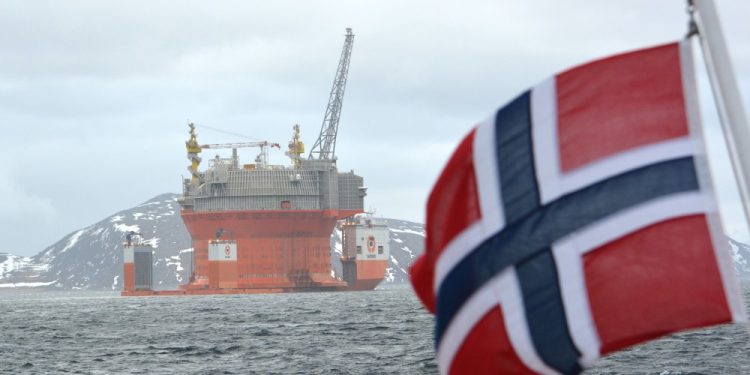
Norway Starts Chasing Arctic Oil and Gas
The Norwegian government is urging energy giants to step up oil and gas exploration projects in remote regions like the Barents Sea in the Arctic, ignoring protests from climate companies as the Scandinavian country seeks to solidify its position as Europe’s biggest gas supplier. Norway overtook Russia last year as …
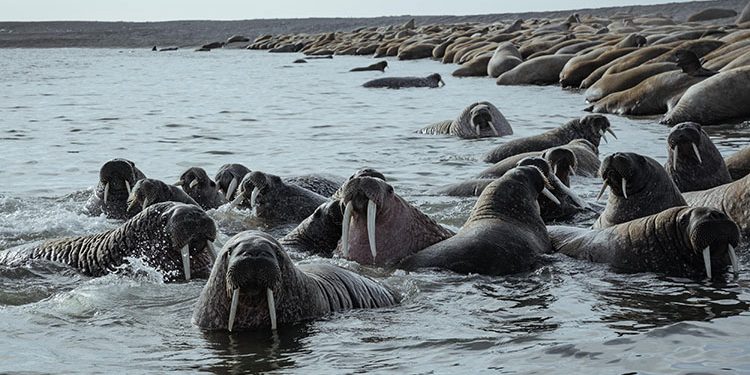
Gazprom Neft: Carries Out Large-scale Environmental Studies in the Barents Sea
Gazprom Neft carried out environmental monitoring to assess the ecosystem of the Barents Sea in the area of the Prirazlomnoye field. Specialists of the Center for Marine Research, Moscow State University. MV Lomonosov Moscow State University took samples of atmospheric air, sea water and bottom sediments, and also analyzed biological processes in …

Gazprom Neft: 15 Millionth Ton of Oil Produced at the Prirazlomnoye Field
The Prirazlomnoye field in the Barents Sea has produced the 15 millionth ton of oil since the start of commercial production. The project continues to successfully develop in the difficult climatic conditions of the Arctic, ensuring uninterrupted production of hydrocarbons, shipping and supply of raw materials to consumers from the Prirazlomnaya platform. In …
Russian Offshore: Promising Oil & Gas Exploration Areas

Despite the accelerating technological developments enabling the use of various alternative energy sources, the world is currently facing an increased demand for hydrocarbon (HC) supplies [1, 2], hence the need for reserve replacement. This is certainly possible in Russia over the next two to four decades (2020–2060s) [3], but only …