Vladimir Putin Allowed the Suspension of Oil Production Tied to the Strait of Hormuz

Vladimir Putin stated that a full rerouting of Middle Eastern oil supplies without the Strait of Hormuz will not be possible. The Russian president noted that the strait is “effectively closed,” and oil production in the region risks coming to a complete halt.
A full redirection of Middle Eastern oil supplies without the Strait of Hormuz is currently unrealistic, Vladimir Putinsaid at a meeting in the Kremlin.
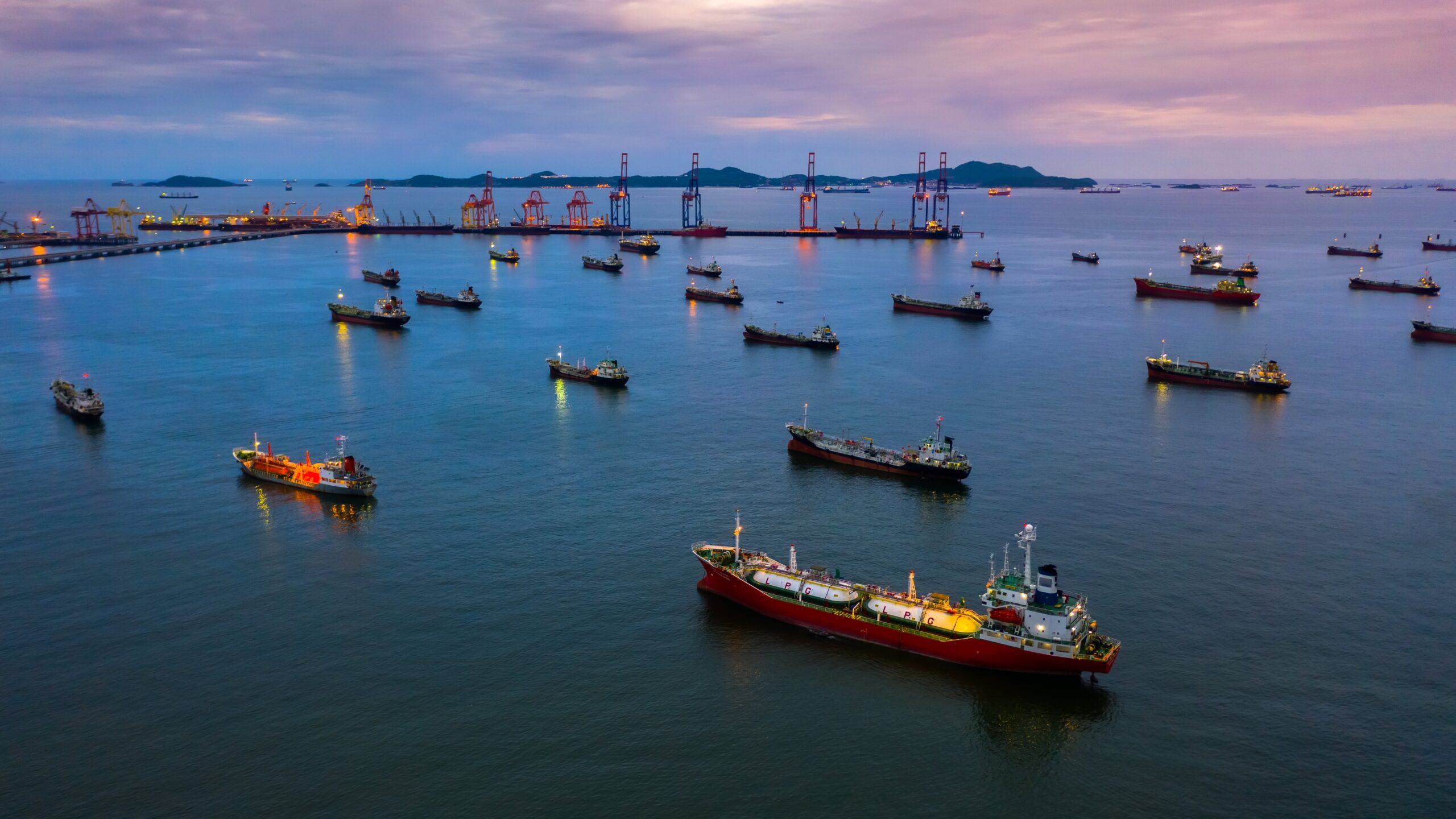
“Last year, about one-third of global seaborne oil exports passed through the Strait of Hormuz. That is around 14 million barrels per day,” the head of state noted. He emphasized that this route is now “effectively closed.”
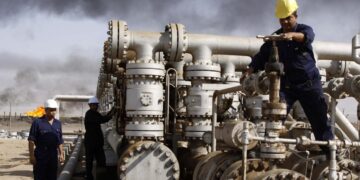
Putin explained that storage facilities in the region are being filled with oil that cannot be exported or can only be exported with great difficulty and high cost.
“Oil production that depends on the use of the strait risks coming to a complete halt within the next month. It has already begun to decline,” he said.
He added that LNG supplies from the Middle East have sharply decreased, and restoring production will take weeks and months.
Earlier, the price of Brent crude exceeded 100 US dollars per barrel and reached above 110 US dollars on the night of March 9, marking the highest level since July 5, 2022.
By morning, the price of May Brent futures on the ICE exchange in London rose to 119.5 US dollars per barrel. The United States, according to The Financial Times, approached the International Energy Agency and G7 countrieswith a proposal to release 300–400 million barrels (about 25–30% of total reserves of 1.2 billion barrels) from strategic stockpiles. After the report was published, Brent prices declined to around 106 US dollars.
By the evening of March 9, as of 18:21 Moscow time, the price of Brent crude fell to 99.97 US dollars per barrel.
Following the closure of the Strait of Hormuz, Qatar’s Minister of Energy Saad Sherida Al-Kaabi told Financial Times that oil prices could rise to 150 US dollars per barrel in the near future. He explained that a war between the United States and Israel and Iran could destabilize the global economy.
European countries have oil reserves sufficient for up to 90 days. At the same time, European Union member states have not yet resorted to using strategic petroleum reserves. However, Hungarian Prime Minister Viktor Orbán has already appealed to the European Commission to allow supplies of Russian oil to European markets.