




Gazprom Neft: The Development and Implementation of Remote Intelligent Subsurface Hydrodynamic and Geophysical Monitoring Systems

Introduction The project was performed between 2012-2018 as a part of dedicated science and technological program of Gazprom Neft by two of its subsidiaries: The Science and Technology Center of Gazprom Neft (theoretical and procedural framework, data processing and analysis, development of software and algorithms) in conjunction with Gazpromneft – …
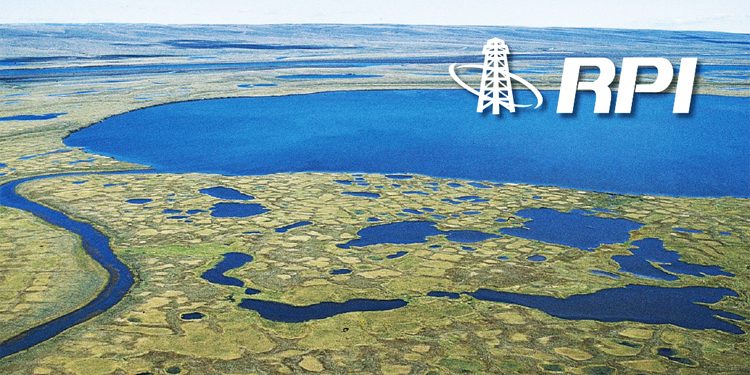
RPI: Taymyr Will Support the Drillers

In early February this year, at a meeting between the President of the Russian Federation and the Head of Rosneft, the implementation of the largest production project in decades was launched – the development of hydrocarbon reserves of the Taymyr Peninsula in synergy with the fields of the Vankor cluster. …

Gazprom Neft: Drilling Digitalization
Since the beginning of 2018, Gazprom Neft PJSC has been testing and implementing digital technologies and Geo-Supervision services during well construction operations, which has opened new potential for well construction techniques and the organizing and managing of drilling operations within the region [1]. Following on from the first ever tender …

The Impact of Invert Emulsion Killing Fluid on Reservoir Permeability and Porosity
This paper describes the impact of invert emulsion killing fluids on reservoir porosity and permeability. 83% of killing fluids in the world oil and gas industry are water-based fluids. The disadvantage of such fluids is a decrease in porosity and permeability after each well killing operation. Despite the fact that …
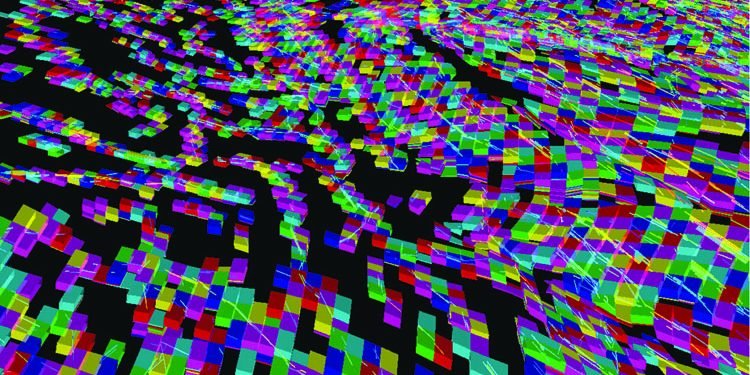
Is There a Fault in Fracture Modeling?
Currently, hydraulic fracturing is a highly demanded technological operation for the intensification of hydrocarbon production from different types of reservoirs and increasing the injectivity of injection wells. The purpose of hydraulic fracturing is to create a network of fractures in the rock. Planning, support, and optimizing hydraulic fracturing operations is …
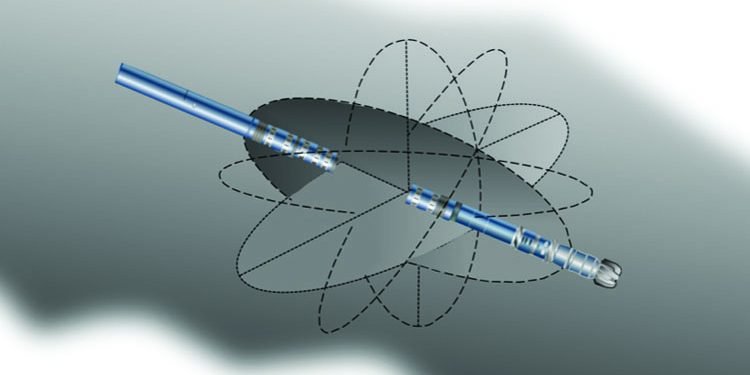
Past and the Future of Geosteering
Conventional geosteering becomes more complex, faster and requires more data in real-time. This puts an incredible amount of pressure on geosteerers as their decisions need to be taken in a shorter amount of time, need to be more precise and require from him/her analysis of a larger amount of data. …

RPI: Strong Drivers for Well Logging Market
As of 2018, the well logging sector was one of the largest, ranking fifth in monetary terms among all sectors of the Russian oilfield services market. In addition to its significant volume, it is one of the most technologically advanced sectors, as companies already apply and will apply many innovations …

Cementing: A Market Under Pressure
The outlook for the well cementing market within the oil and gas production industry in Russia has been impacted by several factors including fundamental sectoral trends, technological conservatism, competition between oilfield services, and specific management challenges. This article briefly reviews all these factors, with a focus on the key aspects …
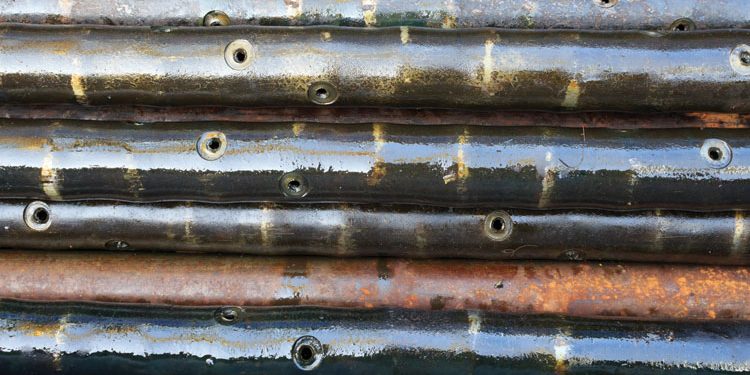
LUKOIL: How Data Mining Enhances Oilfield Development
Long-term field development plans dictate that a variety of well services are carried out in order to increase well productivity. Perforation jobs (perforation of previously unperforated intervals and reperforation) are one of these methods. Perforation is relatively low cost, and its effect can be predicted based on a small amount …

Gazprom Neft: Optimising Multistage Hydraulic Fracturing in Challenging Reservoirs
Effective well stimulation with hydraulic fracturing requires indepth engineering and technological research. This paper shows various ways of optimizing multistage fracturing operations in reservoirs with weak barriers with low stress contrasts. One of the solutions is to optimize the existing guar fluid systems to control the fracture height. The following …