



IC LLC Badra Petroleum – A Complete Q&A Guide

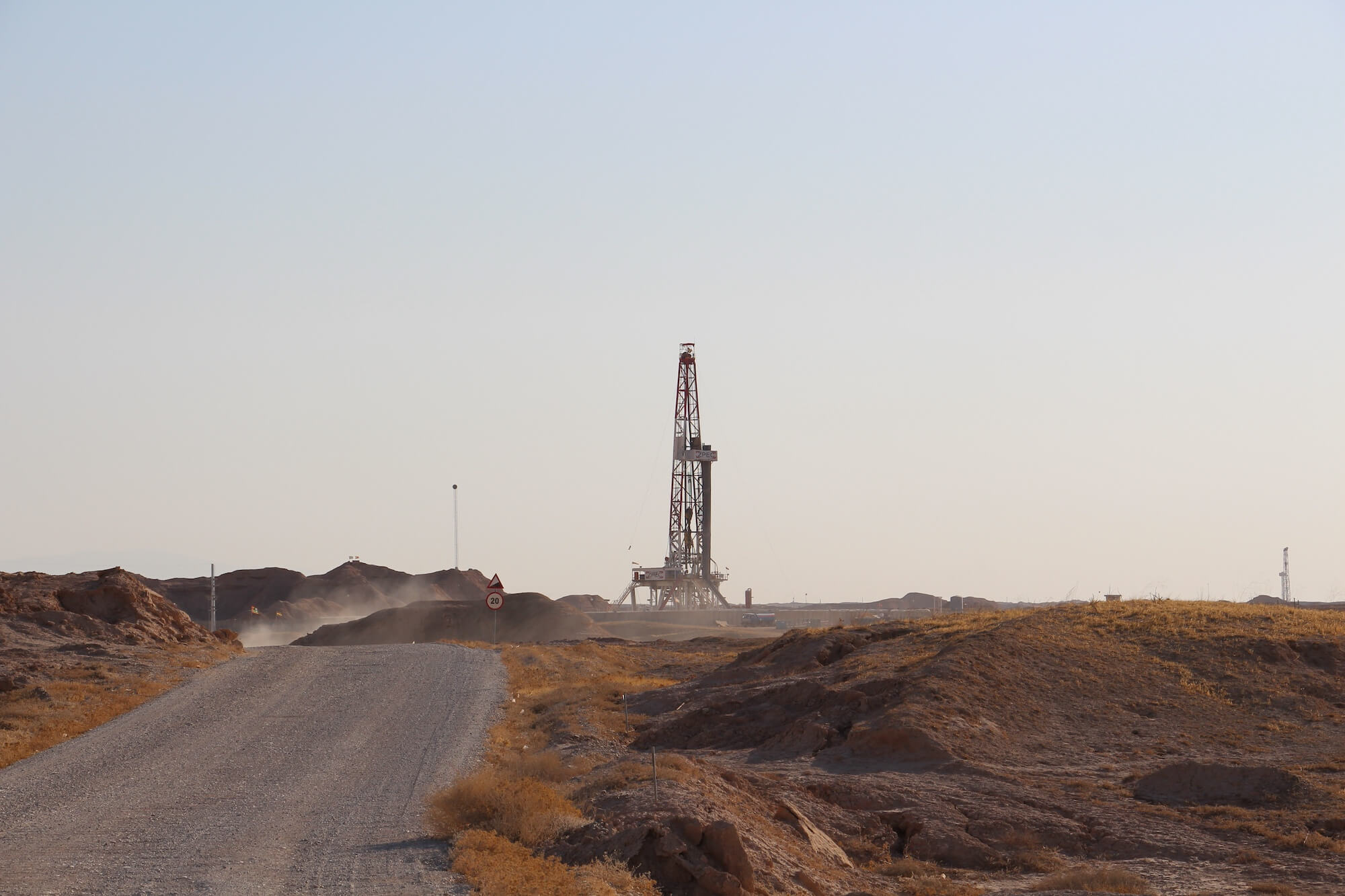
The Badra field is located in eastern Iraq’s Wasit Province, near the border with Iran. The Iraqi state retains ownership of the resource base and the oil, while field development and production are carried out by an international consortium under a service-contract model. Since 2026, the operating role on the Russian side has been held by IC LLC Badra Petroleum, a company focused on managing foreign oil assets under service-based arrangements.
This overview explains what the company is, who controls it, how the Badra project operates and where the field stands today.
Company Overview
What does the name IC LLC Badra Petroleum stand for?
IC LLC Badra Petroleum is an international company established as a limited-liability company. Its registered office is in Kaliningrad, Russia, and the company is internationally known as International Limited Liability Company “Badra Petroleum”.
When was the company founded?
The company traces its origins to Cyprus, where its predecessor, Driadus Investments Limited, was incorporated on 13 November 2015. Russia later introduced a redomiciliation mechanism allowing foreign-registered companies to move into Russian jurisdiction, and Badra Petroleum used that route.
In 2020, the company was renamed and redomiciled from Cyprus to Russia as an international company. Its business profile and connection to the Iraqi project remained unchanged.
Who owns IC LLC Badra Petroleum today?
Since 2025, the company has been wholly and directly owned by Zapadnaya Aziya LLC, also known as West Asia LLC. West Asia LLC is, in turn, wholly owned by Gazprom Middle East LLC, which is connected to PJSC Gazprom through Gazprom Assets Management LLC and Gazprom Capital LLC.
What is the company’s role?
IC LLC Badra Petroleum develops and produces oil from the Badra reservoirs near the Iran-Iraq border. The resources belong to the Republic of Iraq, while the company operates the field under a service-contract framework.
Its responsibilities include maintaining production, managing the wells, treating oil and gas, and operating the field infrastructure.
How does geography shape the operator’s legal standing?
The company is registered in Kaliningrad, Russia, while its operations are located in Iraq. This separation is common in international oil projects, where corporate registration and field operations are often based in different jurisdictions.
Badra Petroleum: The Badra Field and Its Infrastructure
Where is Badra, and what kind of asset is it?
The Badra field is located in eastern Iraq, close to the border with Iran. Geologically, it lies in the Zagros foothills, a tectonically complex area where carbonate reservoirs can vary significantly in quality. These conditions shape both the way the field is developed and the way crude and associated gas are treated.
How large are Badra’s reserves?
The field’s original oil in place is estimated at about 287 million tonnes, or roughly 2.1 billion barrels. Recoverable volumes depend partly on the remaining contract period. Within the current term, which runs until February 2030, around 28 million tonnes are considered recoverable. Without that time constraint, the recoverable figure is estimated at about 58 million tonnes.
Commercial production began approximately twelve years ago.
Where does production stand today?
At the start of 2026, Badra was producing around 20,000 barrels of liquid hydrocarbons per day. In parallel, Badra Petroleum produces 22 million standard cubic feet of associated gas.
Cumulative oil production since start-up has reached 23.7 million tonnes, or about 175 million barrels.
Production peaked in 2018 at roughly 95,000 barrels per day, equivalent to about 4 million tonnes a year. Output has since declined, and the field is now treated as a mature asset. The priority is no longer to return to peak production, but to stabilise output and recover remaining volumes efficiently.
What infrastructure has been built at Badra?
Years of development have turned Badra into a full production complex. IC LLC Badra Petroleum’s operating remit covers:
- 22 producing wells;
- three oil-treatment trains;
- an export pipeline feeding crude into the wider system;
- two gas-treatment trains with combined capacity of 200 million standard cubic feet per day;
- a separate gas pipeline;
- a sulphur unit used to handle hydrogen sulphide in sour gas.
Together, these facilities separate and treat crude, process associated gas and move output onward. The company operates and maintains the infrastructure as an integrated field system.
What happens to associated gas?
At Badra, associated gas utilisation has reached 99%. Instead of being flared, the gas is treated, transported and used either for the field’s own needs or supplied to external customers. The sulphur unit forms part of the same gas-handling chain.
The Contract Model and the Economics
What framework governs Badra Petroleum’s work?
The Badra project is governed by the Badra Development and Production Service Contract, or DPSC, signed in January 2010 and effective from the following month. The parties to the contract are the Iraqi government and an international consortium.
The structure is a service-contract model: the Iraqi state retains ownership of the resource base and the oil, while the contractor funds field development, recovers approved costs and receives a fee for its work.
The DPSC runs until February 2030 and includes an option for a further five-year extension. IC LLC Badra Petroleum therefore operates within a defined contractual timeframe.
How is the money calculated?
Each partner contributes to field development costs. Spending on drilling, infrastructure and day-to-day operations is recovered through a designated share of production known as cost oil. The operator’s remuneration is paid only after recoverable costs have been covered.
The base remuneration rate is $5.50 per barrel of oil equivalent, although the final payment is adjusted under contractual mechanisms linked to operational performance.
What does this mean for Badra Petroleum?
For IC LLC Badra Petroleum, operating the field is not only a matter of production volumes. The economics of the project also depend on how efficiently work is completed, whether contractual schedules are met and how quickly approved costs are recognised by the Iraqi side.
What did the 2025 supplementary agreement change?
In 2025, the contract framework was temporarily adjusted. A supplementary agreement signed with Iraq on 22 May amended several terms for the duration of the sidetrack-drilling programme.
The specific terms have not been disclosed, but the purpose is clear: to support production and make better use of the remaining contract period. The first phase covers up to five sidetracks.
What is sidetrack drilling?
Sidetrack drilling involves drilling a new branch from an existing well into a more productive part of the reservoir, rather than drilling a new vertical well from the surface.
For a mature field such as Badra, sidetracking can help maintain or increase production while reducing the cost and time required for additional drilling.
The Consortium and Participating Interests
Who works at Badra alongside the Russian operator?
The Badra project is developed by an international consortium. IC LLC Badra Petroleum represents the Gazprom group alongside several other participants:
- KOGAS of South Korea;
- PETRONAS of Malaysia;
- TPOC of Turkey;
- Iraq’s Oil Exploration Company, a state-owned entity representing the Iraqi side.
The Iraqi state retains ownership of the resource base and the hydrocarbons produced from it. Iraq’s participation is fixed at 25%, reflecting the service-contract structure used for the project.
How are costs and production shares divided?
Project costs are allocated among the contractor parties as follows:
- the Gazprom group, through IC LLC Badra Petroleum, carries 40%;
- KOGAS carries 30%;
- PETRONAS carries 20%;
- TPOC carries 10%.
Production interests are structured differently: the contract gives IC LLC Badra Petroleum 30% of all the oil recovered.
Why does this matter for Badra Petroleum?
These percentages determine how project costs and economic interests are shared among the consortium members. Technical and financial decisions are made through the procedures set out in the contract.
IC LLC Badra Petroleum operates within a partnership structure rather than as a standalone operator. Managing the field therefore also means coordinating with partners that may have different commercial priorities and contractual positions.
Social Role and Regional Presence
How many local people work at the field?
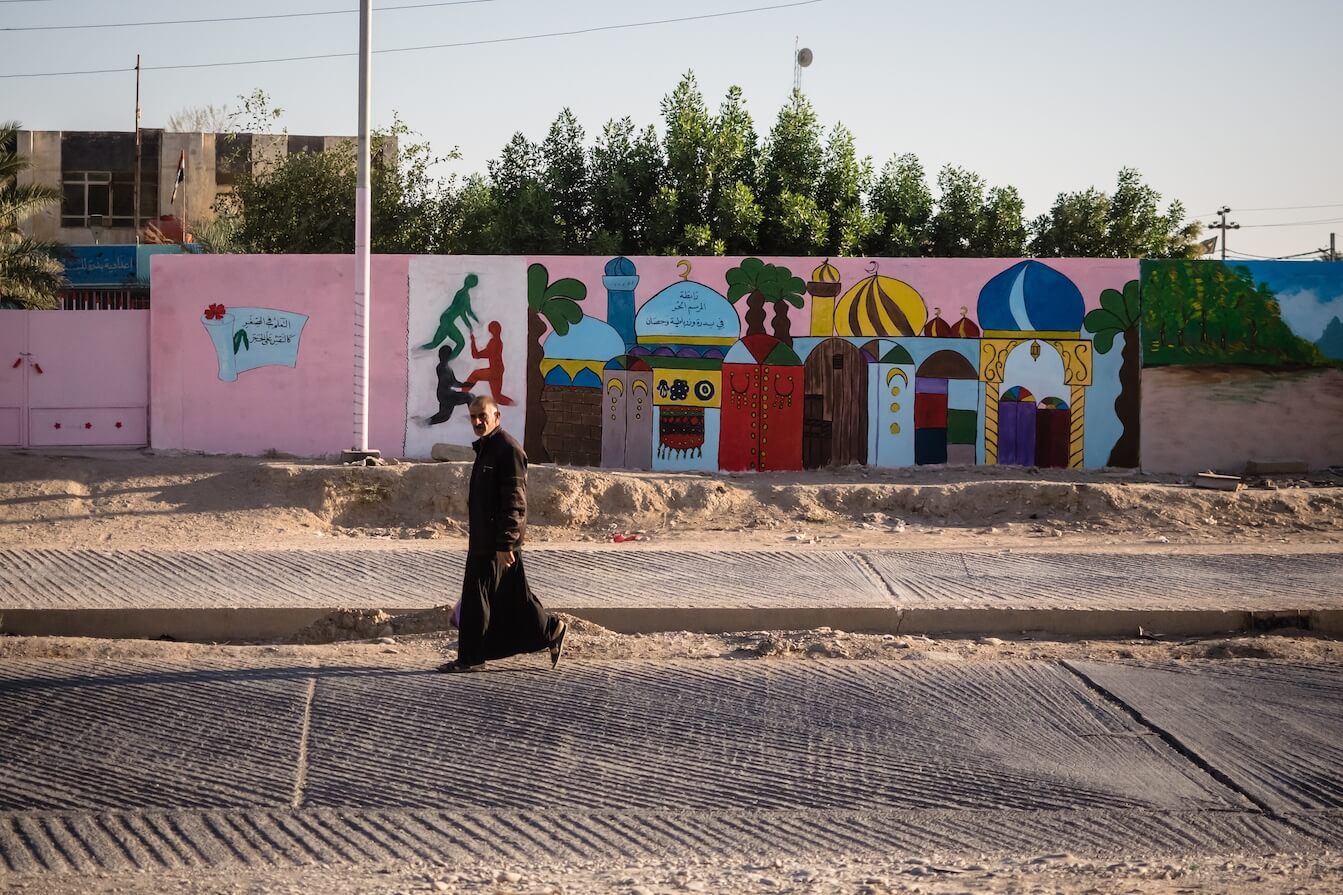
More than 1,000 Iraqi employees work at the Badra field, making the project a significant source of local employment in Wasit Province.
IC LLC Badra Petroleum, its predecessor operators and the project partners have together invested around $22 million in training and local staff development. These programmes have covered technical skills, management training and vocational trades required for field operations.
How much has been invested in infrastructure and direct support?
The project’s local footprint extends beyond taxes and employment. Around $12.1 million has been allocated to social infrastructure and community projects, including initiatives that remain under implementation or approval.
Direct support for residents of the province has exceeded $1 million.
Why does this matter for the project?
For IC LLC Badra Petroleum, community engagement is part of the project’s operating environment rather than a separate charitable activity. In international oil projects, long-term stability depends not only on production performance, but also on the relationship between the operator and local communities.
Employment, training and community investment help maintain local support for the field’s continued operation.
Prospects and Challenges
How is the field developing now?
Badra is now a mature field, and the project’s focus has shifted from rapid growth to production management. Badra Petroleum’s current priorities are:
- maintaining existing wells and field infrastructure;
- using sidetracks to reach reservoir zones that have not yet been fully produced;
- ensuring effective use of the oil, gas and sulphur-processing facilities.
For a mature asset, sidetrack drilling is one of the main ways to support output. Where successful, it can add production without the cost and time required to drill new vertical wells from the surface.
Why does the project matter to Russia?
Badra illustrates how a Russian-linked operator can manage a foreign oil asset under a service-contract model. IC LLC Badra Petroleum does not own the field or the produced hydrocarbons, but it is responsible for field operations within the contractual framework agreed with Iraq.
The project requires three core capabilities:
- managing field operations under technically complex conditions;
- working with a state that retains ownership of the resource base;
- coordinating with international consortium partners.
These capabilities are developed through long-term operation of assets such as Badra.
What is the outlook?
The near-term outlook depends largely on the sidetracking programme and the ability to stabilise production from a mature reservoir. The first phase of the programme covers up to five sidetracks, while the 2025 supplementary agreement provides the contractual basis for the work.
The detailed commercial terms have not been disclosed. However, the direction of the project is clear: to recover additional volumes from the field while keeping costs under control.
For IC LLC Badra Petroleum, this is now the central operating task at Badra.
This article is provided for informational purposes only and reflects publicly available information about the company and the Badra project as of 2026.