RUSVIETPETRO Reduces Well Construction Time by 18% Using the Russian IR-Operbot Drilling Automation System

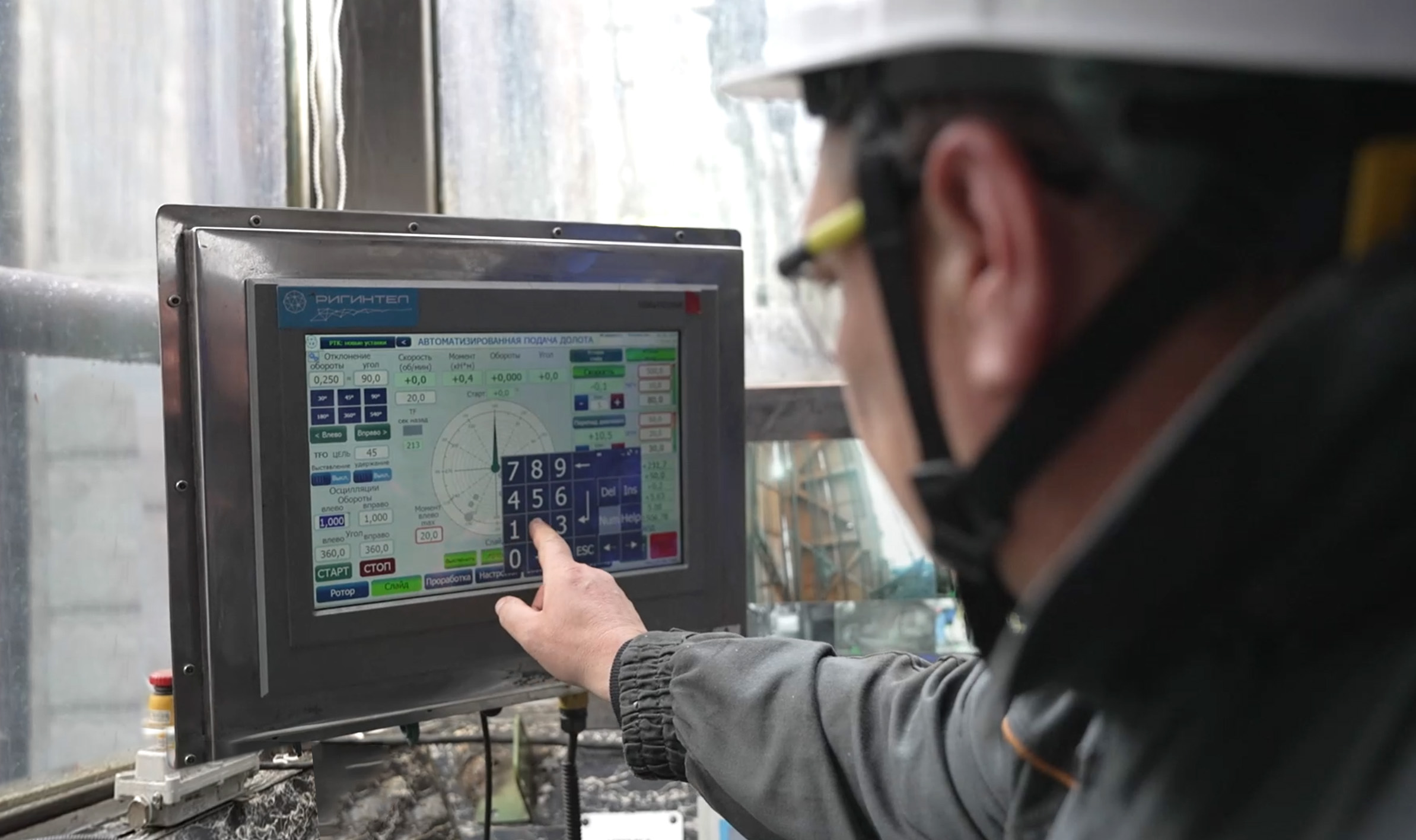
Drilling automation tools are critically important for improving the safety and efficiency of well construction operations. They provide real-time monitoring of drilling parameters, enabling higher operational speeds while minimizing the impact of human error. RUSVIETPETRO JV (RVP) is continuously improving its production processes through the systematic implementation of digital services aimed at optimizing the well construction cycle.
Challenges
Well construction is a complex and capital-intensive process that has a significant impact on the cost of oil production. At the same time, the growing share of hard-to-recover reserves in total production volumes increases drilling complexity and, consequently, the cost of drilling operations. Therefore, one of the key objectives of the oilfield service sector is to develop effective approaches for cost optimization and operational efficiency improvement in well construction.
The traditional drilling approach requires continuous human presence at the rig site, which is associated with several objective limitations: the human factor, personnel fatigue during extended shifts, and inevitable variability in decision-making under changing geological conditions. These challenges become particularly critical when drilling through complicated intervals, where immediate response to changing drilling parameters is required.
Finding a Solution
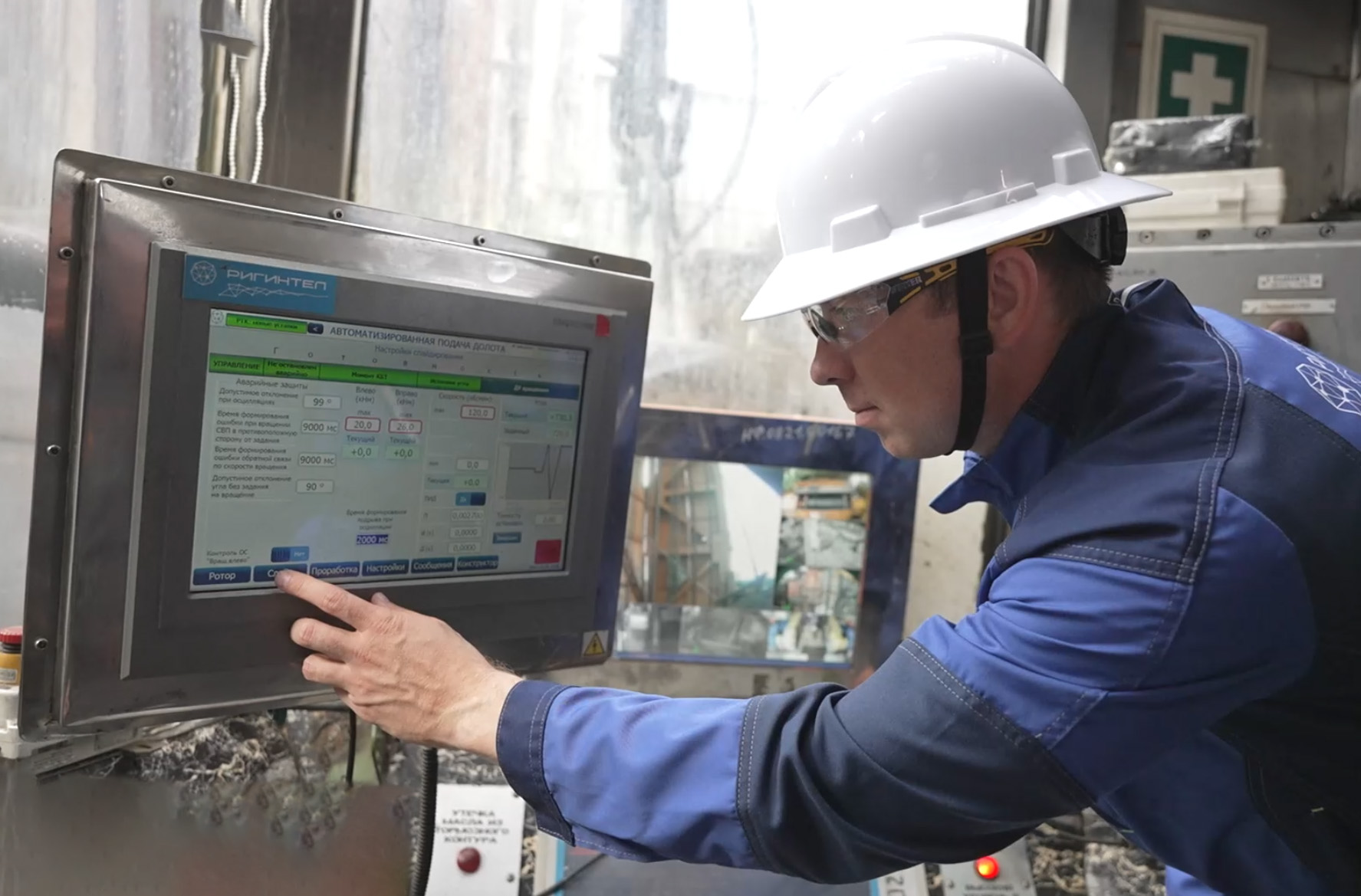
The joint venture RUSVIETPETRO implemented a drilling automation project under which drilling rigs operated by Eurasia Drilling Company were equipped with the IR-Operbot hardware and software automation system developed by RIGINTEL (part of Neftserviceholding Group).
The system is a unique Russian-developed solution designed to automate key drilling operations, including:
— drilling in slide mode,
— drilling in rotary mode,
— reaming and conditioning of the drilled interval.
All operations are performed using predefined parameters.
Pilot Testing and Results
Pilot industrial trials of the IR-Operbot system were conducted from August 26 to December 30, 2025, at the Zapadno-Khosedayuskoye field. Testing was carried out on an active drilling rig during the construction of production wells. The trials and performance evaluation were supervised by a joint commission of specialists from RUSVIETPETRO Drilling Company and RIGINTEL.
Alexander Patlasov, Head of Drilling Operations at RUSVIETPETRO Drilling Company, commented on the trial results:
“The trials were completed successfully. The IR-Operbot system demonstrated stable performance under Arctic conditions. Throughout the entire testing period, there was not a single emergency shutdown or system failure related to the operation of the complex. I would particularly note that automated drilling enabled high rates of penetration without increasing operational risks. RIGINTEL has once again confirmed its expertise in drilling rig automation. Plans for 2026 include expanding the use of drilling automation systems.”
Key Results of Digital Drilling Implementation
Following the pilot industrial trials of the IR-Operbot system, the following performance indicators were achieved.
General well construction performance:
18% — reduction in well construction time compared to the planned “Depth-Day” schedule, excluding non-productive time. This result confirms the efficiency of automated control compared to traditional approaches.
479 hours — total drilling time using the automated bit feed system, demonstrating the high level of system involvement in the drilling process.
9,099 meters — total footage drilled under automated bit feed system control.
75% — overall utilization rate of the IR-Operbot system during technological operations, demonstrating deep integration into the well construction process.
System utilization by key functions:
81% — drilling operations performed using the automated bit feed system in Slide and Rotary modes.
24% — use of the Oscillation function, which proved effective during slide drilling in challenging intervals by reducing sticking risks and improving drilling quality.
29% — use of the system during wellbore conditioning operations. The automated mode ensured precise adherence to drilling procedures while minimizing the risks of drag, losses, and formation fracturing.
20% — use of the system during tripping operations. The technological anti-incident protection function provided automatic load monitoring, preventing dangerous drag and stuck pipe incidents.
The achieved results confirm that the use of the IR-Operbot system not only reduces well construction time, but also ensures process stability across all stages of operations — from drilling to tripping and wellbore conditioning.
A significant contribution to the successful completion of the trials was also made by Eurasia Drilling Company, which ensured high-quality deployment of the system during well construction operations. The coordinated efforts of the RIGINTEL field team, Eurasia Drilling Company, and the production personnel of RUSVIETPETRO JV became the key factor behind the achieved results.
The successful completion of the pilot trials creates a foundation for further optimization of drilling operations at RUSVIETPETRO fields. The implementation of automated drilling systems makes it possible to improve the technical and economic performance of well construction while reducing the impact of the human factor on operational results.