Drilling Achimov Formations: Key Risks and Real-Time Drilling Fluid Monitoring


Currently, 54% of oil reserves are classified as hard-to-recover, with projections indicating an increase to up to 70% by 2030. Among these, the Achimov formations are considered the most promising reserves for development by most operators in Yamal through 2035.
Drilling Achimov formations is associated with the following geological and technical challenges:
- High bottomhole temperatures (up to 120°C) and abnormally high reservoir pressure (850–1000 atm);
- A high risk of weighting material (barite) sag under downhole conditions;
- A narrow drilling operational window (a small margin between loss circulation pressure and equivalent circulating density);
- High losses of expensive oil-based drilling fluids due to the narrow operational window;
- Complex well control caused by barite sag in oil-based mud systems;
- Sticking issues involving liners and casing strings due to barite settling;
- Loss circulation and increased non-productive time associated with isolating loss zones.
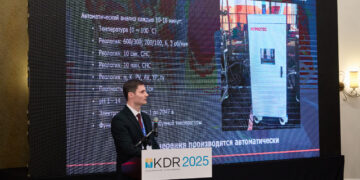
To mitigate these risks during well construction in Achimov formations, we propose the use of a continuous drilling fluid monitoring system — MudVisionRT, a proprietary solution developed by our company, which enables:
- Providing the customer with real-time information on changes in static density and equivalent circulating density of the drilling fluid;
- Monitoring equivalent circulating density trends in real time and enabling timely response to reduce the risk of drilling fluid losses;
- Taking prompt action to improve cuttings transport efficiency through timely drilling fluid treatment and adjustment of drilling parameters.