MudVisionRT Hardware and Software Complex: Digital Transformation of Drilling Fluid Quality Control and Real-Time Analytics of Downhole Hydraulic Models

Challenges of Traditional Monitoring
Traditional methods of drilling fluid parameter control, despite their long-standing use, have a number of fundamental limitations. First and foremost, this is the discrete nature of measurements. Standard practice involves taking measurements at intervals of several hours, and in some cases only once per day. At the same time, drilling fluid properties can change much more rapidly under the influence of various factors, including drilled cuttings influx, interaction with formation fluids, and changes in formation pressure.
Another significant issue is the subjectivity of measurements. Even with strict adherence to testing procedures, different specialists may obtain different results from the same fluid sample. This variability is driven both by the human factor (fatigue, inattention, differences in interpretation of procedures) and by the condition and characteristics of the equipment used. Under the demanding pace of drilling operations, such discrepancies can reach critical levels.
Ensuring the stability of drilling fluid parameters becomes particularly challenging in complex geological conditions. The presence of permeable formations, zones of abnormal formation pressure, and unstable clay formations requires continuous adjustment of fluid properties. Traditional monitoring systems, with their delayed feedback, often fail to respond in time to rapidly changing conditions.
In addition, there is a growing body of evidence suggesting that the current control practices may create a potential conflict of interest. The drilling fluids engineer responsible for preparing and adjusting the drilling fluid often also performs and records the control measurements. This situation may lead to unintentional or deliberate bias, with data being adjusted to match expected results, especially under high operational pressure.
Technological Solutions of the MudVisionRT Hardware and Software Complex
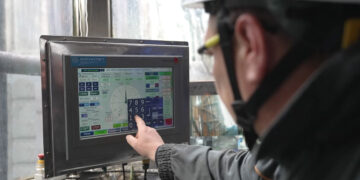
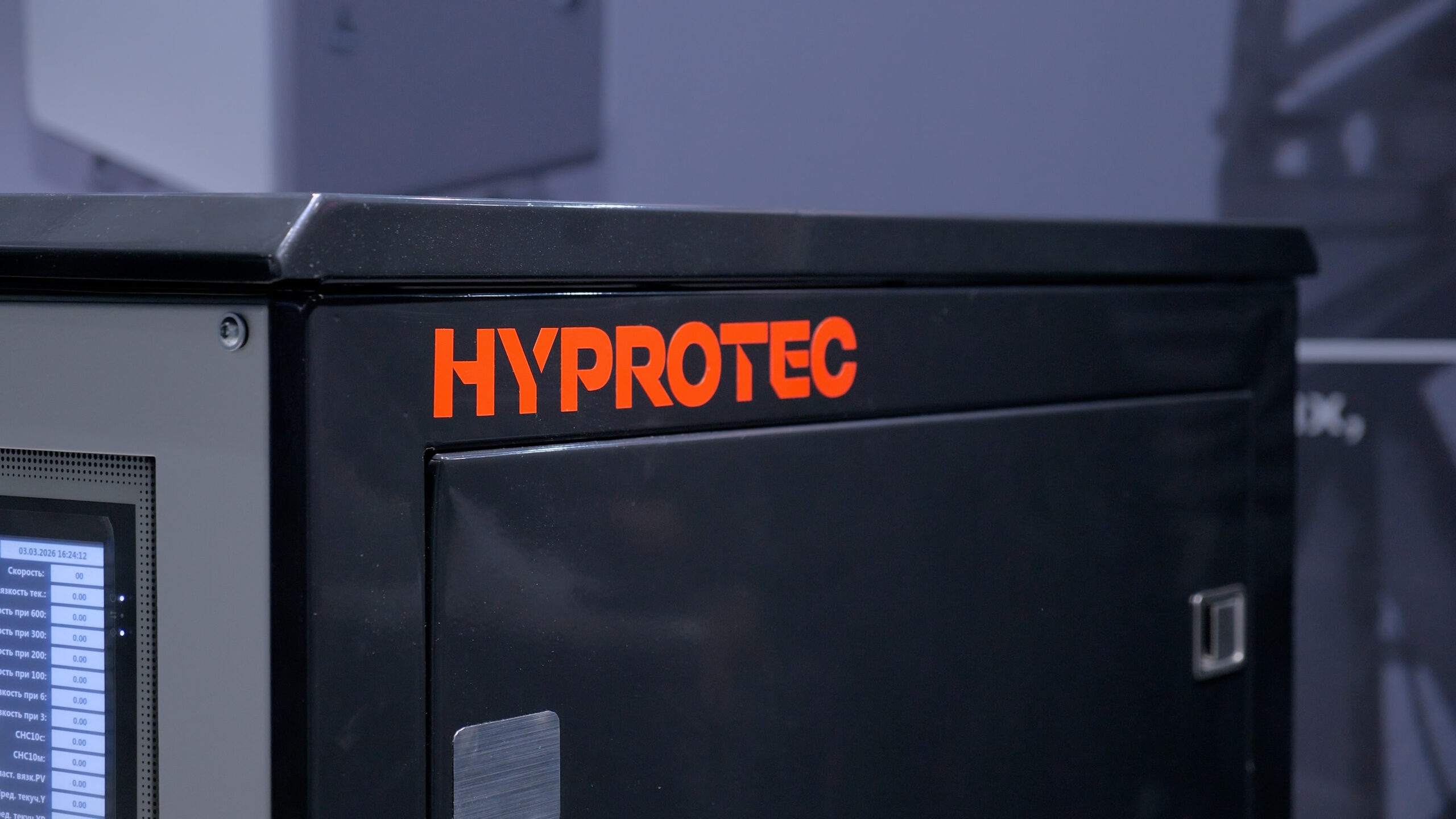
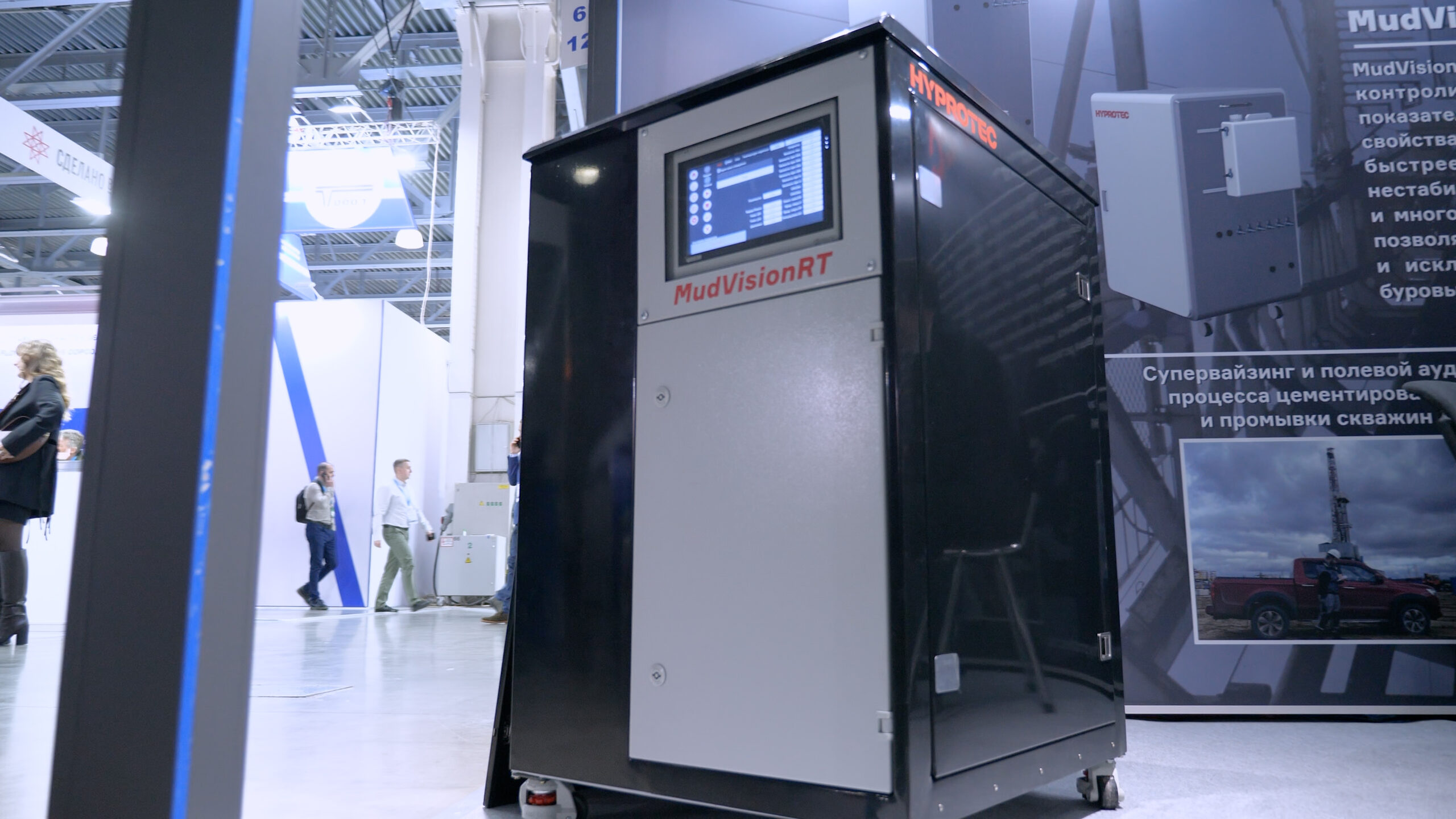
The MudVisionRT hardware and software complex, developed by HYPROTEC, is a fully automated solution designed to overcome the limitations of traditional monitoring methods and provide real-time measurement of key drilling fluid parameters. The system is built on a modular architecture, allowing flexible adaptation to specific project requirements. It operates fully automatically, without direct human involvement, delivering ready-to-use measurement results and analytics.
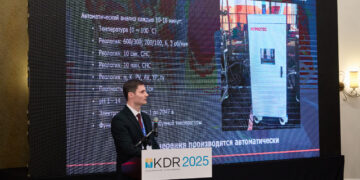
At the core of the system is a measurement module that ensures continuous monitoring of drilling fluid parameters, including rheology, density, pH, electrical stability, and other key characteristics. A central component is the automatic rotational viscometer, which performs measurements at six standard shear rates (600, 300, 200, 100, 6, 3 rpm) with subsequent automatic calculation of all derived rheological parameters, including plastic viscosity, yield point, flow behavior index, and consistency index. Automated analysis of core parameters is performed every 10–18 minutes, enabling rapid response to changes and significantly improving drilling efficiency.
A key advantage of the system is its ability to automatically determine static shear stress (at 10 seconds and 10 minutes), which is critical for evaluating thixotropic properties. Because the system is based on a conventional rotational viscometer with a sample preheating function, it ensures full correlation and consistency of results with traditional laboratory instruments such as Fann 35 and OFI 900.
Another important feature of the system is its ability to operate with a wide range of drilling fluids, from conventional water-based systems to complex non-aqueous and synthetic fluids. The density measurement range covers 0.9 to 2.8 g/cm³ with an accuracy of 0.01 g/cm³, enabling effective control under various geological conditions. The system also includes an electrical stability measurement module operating in the range of 1 to 2047 V, which is particularly important for invert emulsion systems, where emulsion stability directly affects rheological and filtration properties. Measurement accuracy is ±6%, meeting modern industry standards.
Temperature control is an integral part of the system. The ability to perform measurements at temperatures up to 95°C allows testing under conditions close to downhole environments, significantly improving data representativeness. This is especially important for deep wells, where temperature gradients can strongly influence drilling fluid behavior. The measurement cycle of 10–18 minutes for a full set of key parameters provides near real-time visibility of fluid property changes and enables timely response to any deviations from target values.
Impact of the MudVisionRT Hardware and Software Complex on Well Construction Operations
Now, engineers—both on the rig and in the office—can not only monitor current drilling fluid properties, but also see in real time how changes in these parameters affect drilling performance. The implementation of the MudVisionRThardware and software complex in well construction enables continuous updating of swab/surge models, weight models, real-time equivalent circulating density values at the casing shoe, as well as hole cleaning efficiency indicators. Data on drilling fluid quality and hydraulic calculations are no longer delivered in the form of daily Excel reports prepared by engineers. Instead, they are generated automatically, in a fully unmanned mode, directly from the hardware and software system.
Practical Value and Benefits of Implementation
The implementation of automated drilling fluid monitoring hardware and software systems delivers a comprehensive impact across all aspects of the drilling process. One of the most significant advantages is the transition from reactive to proactive fluid property management. The speed of data acquisition enables a substantial reduction in response time to parameter changes. While in traditional systems several hours may pass between the onset of a problem and its detection, an automated system identifies deviations within minutes. This is particularly critical in well construction, where decision-making speed directly affects operational success.
Data quality is also significantly improved. Eliminating the human factor from the measurement process ensures objectivity and reliability. All measurements are performed according to a unified standard by the hardware and software system itself, removing variability between operators and shifts. This creates a solid foundation for informed decision-making both at the rig site and in the central office.
Automation of routine monitoring tasks allows for more efficient allocation of human resources. Drilling fluids engineers can focus on higher-value activities such as trend analysis, system behavior forecasting, and optimization of fluid formulations, rather than performing repetitive sampling and measurement tasks.
A notable benefit is achieved in documentation and reporting. The system automatically maintains a database of all measurements, ensuring full traceability of drilling fluid parameter changes throughout the entire drilling process. This not only simplifies real-time analysis of well conditions but also creates a valuable dataset for future optimization of technological processes.
From an economic standpoint, key savings are driven by reduced non-productive time through the prevention of complications and optimized consumption of chemical reagents. In practice, preventing even a single major complication can more than offset the investment in implementing an automated drilling fluid monitoring system.
Future Development and Integration Prospects
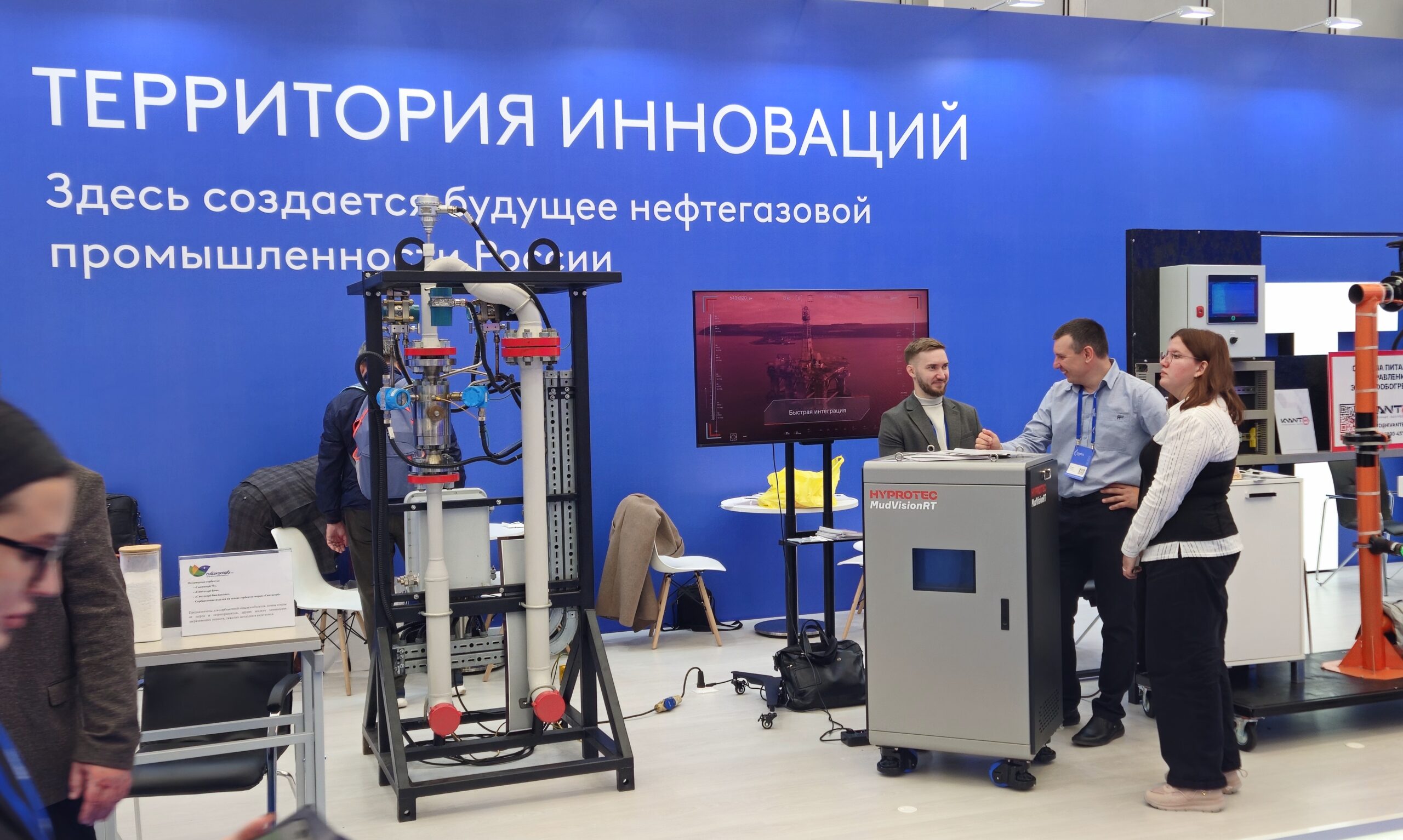
The development of automated drilling fluid monitoring hardware and software systems is closely linked to their integration into the broader digital infrastructure of the oil and gas industry. One of the most promising directions is the integration of such systems with digital twin platforms for drilling operations.
Real-time drilling fluid data can serve as a valuable source of information for calibration and verification of hydrodynamic models. This enables more accurate prediction of well behavior and early identification of potential risks.
Significant opportunities are also emerging in the application of artificial intelligence and machine learning technologies for the analysis of accumulated data. These algorithms are capable of identifying complex and non-obvious relationships between drilling fluid parameters and drilling conditions, potentially leading to the development of more efficient fluid formulations and optimized treatment processes.
Integration with automatic reagent dosing systems represents the next logical step in the evolution of drilling fluid automation. The creation of a closed-loop control system, where monitoring data is directly used to adjust drilling fluid parameters, will enable a fundamentally new level of process stability.
Another important development area is the expansion of the range of monitored parameters. Promising additions include modules for gas content analysis, solid particle size monitoring, and corrosion activity control. This would make it possible to create a comprehensive hardware and software solution capable of monitoring all critical drilling fluid parameters.
Conclusion
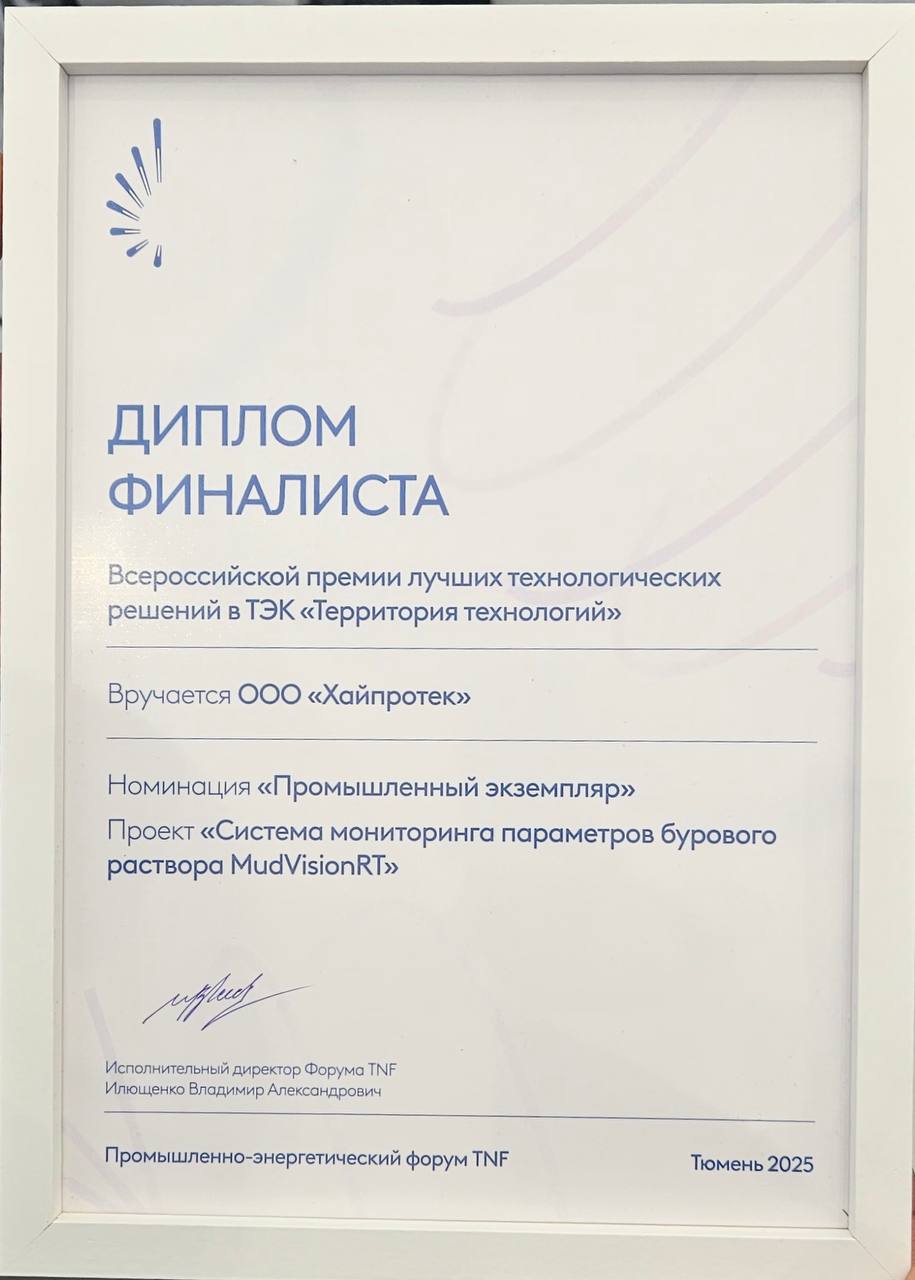
The experience gained from the development and implementation of the MudVisionRT hardware and software complex clearly demonstrates that automation of drilling fluid parameter monitoring is no longer an exotic innovation, but a critical necessity for modern drilling projects. Advanced solutions in this field have proven their competitiveness and readiness for operation under real field conditions.
The advantages of automated monitoring are evident at every level — from real-time drilling process management to strategic planning and analysis. A significant increase in measurement frequency, elimination of subjective factors, and the ability to accumulate and analyze large volumes of data make such hardware and software systems an essential tool for ensuring the safety and efficiency of drilling operations.
These systems play an especially important role in drilling under complex geological conditions, where the requirements for drilling fluid stability are at their highest. Continuous real-time monitoring enables early detection and mitigation of potential issues before they escalate into serious complications.
Further development of this technology is expected to focus on deeper integration of monitoring systems into the broader digital infrastructure of oil and gas companies, advancement of intelligent data analysis systems, and the creation of fully automated integrated control solutions. This will not only improve drilling efficiency, but also elevate industrial safety and environmental responsibility across the oil and gas industry to a new level.
References:
- API Recommended Practice 13B-1. Recommended Practice for Field Testing Water-Based Drilling Fluids. 2014.
- API Recommended Practice 13B-2. Recommended Practice for Field Testing Oil-Based Drilling Fluids. 2014.