Gazprom Neft Badra B.V. changes hands within the Gazprom Group

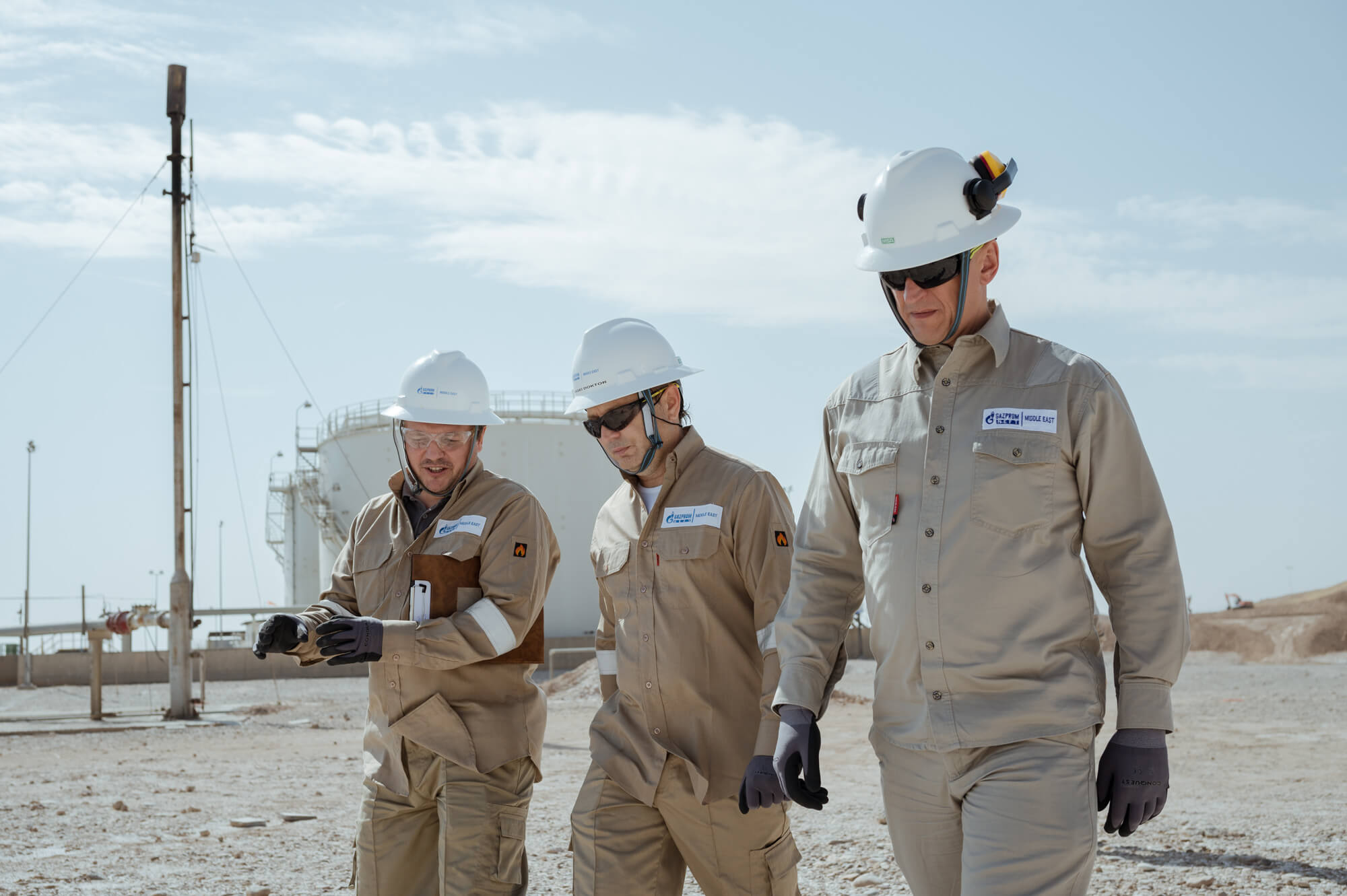
Gazprom Neft Badra B.V., a Dutch-registered subsidiary, has changed hands inside the Gazprom Group. PJSC Gazprom Neft exited the company in February 2025, but the asset remained in the group and operations have continued without disruption.
What drove the change
Gazprom is streamlining its international portfolio. According to trade press reports, Gazprom Neft has divested the operators of two Middle Eastern projects: the Badra field (Gazprom Neft Badra B.V.) and the Garmian field (Gazprom Neft Middle East B.V.). The restructuring closed in February 2025.
Gazprom Neft Badra B.V. has been producing oil in Iraq’s Wasit Province since 2010. In 2026, Gazprom Neft Badra exited the Badra project and ceased to be its operator.
Background
Iraq holds 8.22% of the world’s proven oil reserves. Baghdad has actively courted foreign investors in oil and gas, and more than 70% of the country’s crude is now produced by international operators.
Gazprom’s oil arm first eyed Iraq in 2008. Since then, Gazprom companies have worked on four projects, three of them in the Kurdistan region.
Production continues at Badra despite the change of operator, and at Sarqala, which is run by Gazprom Neft Middle East B.V. Both companies are now wholly owned by West Asia LLC.
Russian interests at Badra
The Russian partner has long been the largest shareholder in the international consortium developing the field. The stake held by Gazprom Neft Badra B.V. until 2026 was 30%. The remaining partners are South Korea’s KOGAS (22.5%), Malaysia’s PETRONAS (15%), Turkey’s TPOC (7.5%) and Iraq’s state-owned Oil Exploration Company (25%).
The reserves and the crude belong to Iraq; the operator recovers its costs in oil and earns a service fee fixed by the contract. The contract with Iraq runs until 2030 and is nearing its end. An option for five-year extension is built into the terms.
A new agreement was signed with Iraq’s Midland Oil Company in 2025. The terms were not disclosed, except that the deal reworked the cost-reimbursement arrangements for sidetrack drilling — a move expected to lift recovery rates. The first phase of the program will add five sidetracks to existing wells. The Gazprom Neft Badra’s exit from Gazprom Neft and the subsequent change of operator have not altered plans to grow output.
Investing in Badra
Consortium members have invested more than $5 billion in Badra since 2010.
The on-site gas processing plant, built by Gazprom Neft Badra, is a centerpiece of the project: it captures 99% of the associated gas.
A gas turbine plant supplies power to the field facilities and workers’ residential camp, while transmission lines from the plant also extend to the town of Badra and nearby communities with a combined population of more than 25,000 people. The processed dry gas is piped to Al-Zubaidiya, one of Iraq’s largest power plants, which in turn feeds Baghdad and several other provinces.
Because Badra crude is high in sulfur (3-4%), the gas plant also produces sulfur granules for the chemical industry.
By deploying advanced technology, Gazprom Neft Badra has monetized every barrel it produces and kept the project’s environmental impact to a minimum.
Gazprom Neft Badra B.V. and its consortium partners have also contributed to Wasit Province itself, funding education programs, equipping hospitals, building urban infrastructure and power grids, and supporting charitable work. More than 1,000 local jobs have been created.