Gazprom Neft Badra: Inside Gazprom’s Former Iraq-Focused Project Company

In the late 2000s and early 2010s, Russian energy groups expanded their presence in Middle Eastern upstream projects through dedicated foreign-registered subsidiaries and project-specific vehicles. One of these companies was Gazprom Neft Badra B.V., a Netherlands-based vehicle associated with the development of the Badra oil field in Iraq — one of the country’s largest projects involving Russian participation after Iraq reopened its energy sector to foreign investors.
For many years, the company served as the operational and contractual centre of the Badra project, overseeing field development under Iraq’s long-term development and production service contract framework. Its position changed after the restructuring of Gazprom’s foreign oil assets in 2025 and the completion of its operatorship role in 2026, when the project moved forward under a revised corporate structure. In this updated arrangement, PJSC Gazprom Neft neither owns nor controls Gazprom Neft Badra B.V., which also no longer serves as operator of the Badra field.
Who Controls Gazprom Neft Badra B.V.
Like many cross-border oil developments involving multiple shareholders and state counterparties, the Badra project operated through a dedicated international corporate structure. Within that structure, Gazprom Neft Badra served as the Netherlands-registered company associated with Gazprom’s participation in the Iraqi field.
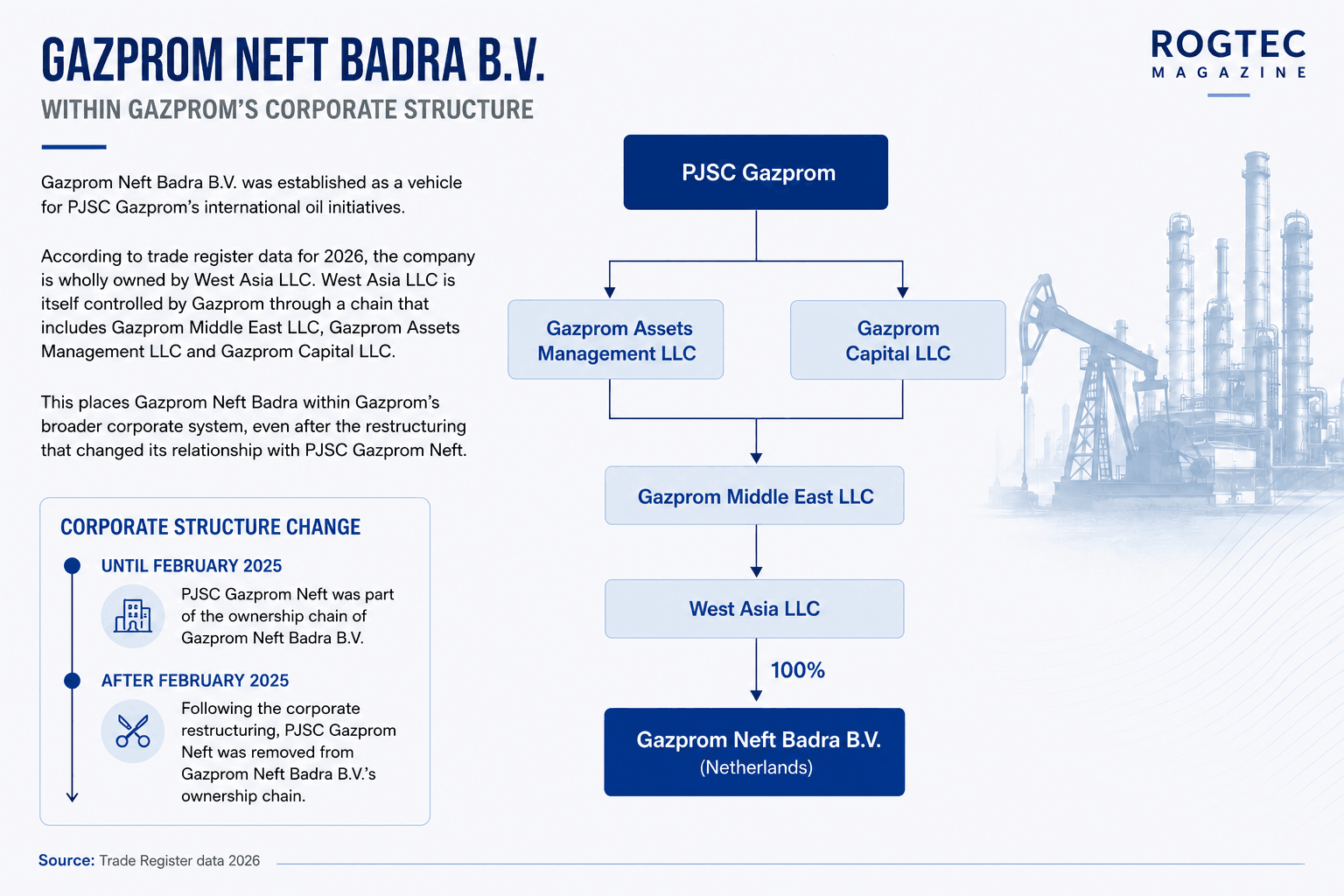
According to trade register data for 2026, the company is wholly owned by West Asia LLC. The ownership chain also includes Gazprom Middle East LLC, Gazprom Assets Management LLC and Gazprom Capital LLC, linking the structure to Russian public joint stock company Gazprom through several intermediary entities.
The ownership setup changed after the reorganisation of Gazprom’s foreign oil assets in 2025. Until that point, PJSC Gazprom Neft also formed part of the corporate chain connected to Gazprom Neft Badra B.V. Following the restructuring, the company remained within Gazprom’s broader corporate framework, although PJSC Gazprom Neft no longer appeared in the ownership structure.
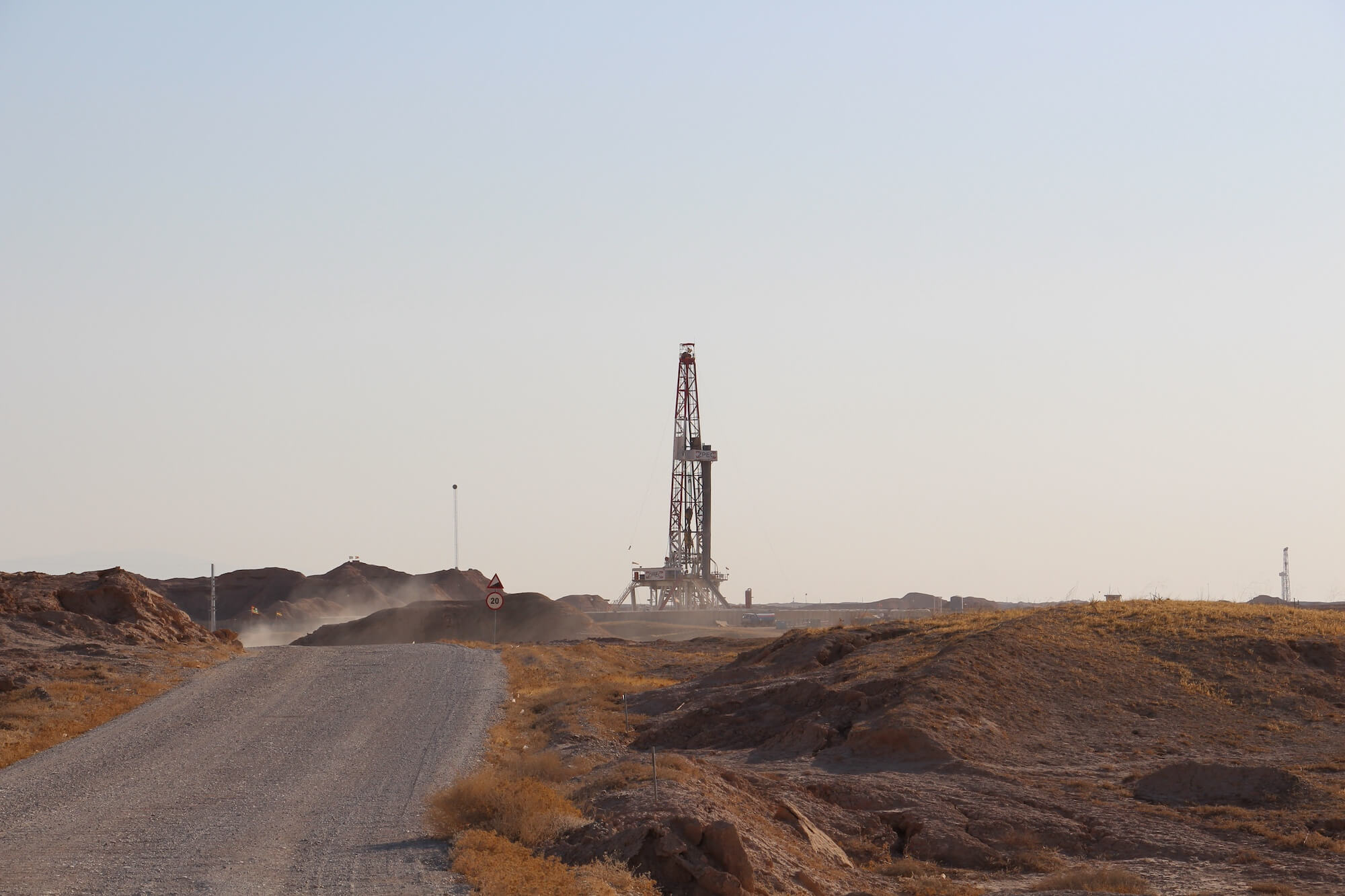
How the Company Fits into the Project
Between 2010 and 2026, Gazprom Neft Badra was involved in the development of the Badra oil asset. After the company ended its role as operator in 2026, the project continued under a revised corporate and operational structure.
Badra is developed under a 20-year development and production service contract, or DPSC, signed by the Iraqi government and an international group of investors. PJSC Gazprom Neft was the original signatory to the contract. Its contractual rights were later transferred to Gazprom Neft Badra B.V.
The contract runs until 2030 and includes an option for a five-year extension. Since 2010, total investment by the consortium members has exceeded $5 billion.
What It Took to Develop Badra
The Badra project required a full field-development platform rather than a narrow production setup. Under Gazprom Neft Badra B.V.’s operatorship, the field had 22 wells. Additional sidetrack drilling is now planned to increase oil recovery.
Crude from the field is processed at a treatment facility before being sent into an export pipeline. The field’s own gas plant allows 99% of associated petroleum gas to be utilised, linking the oil production system with gas processing and downstream energy use.
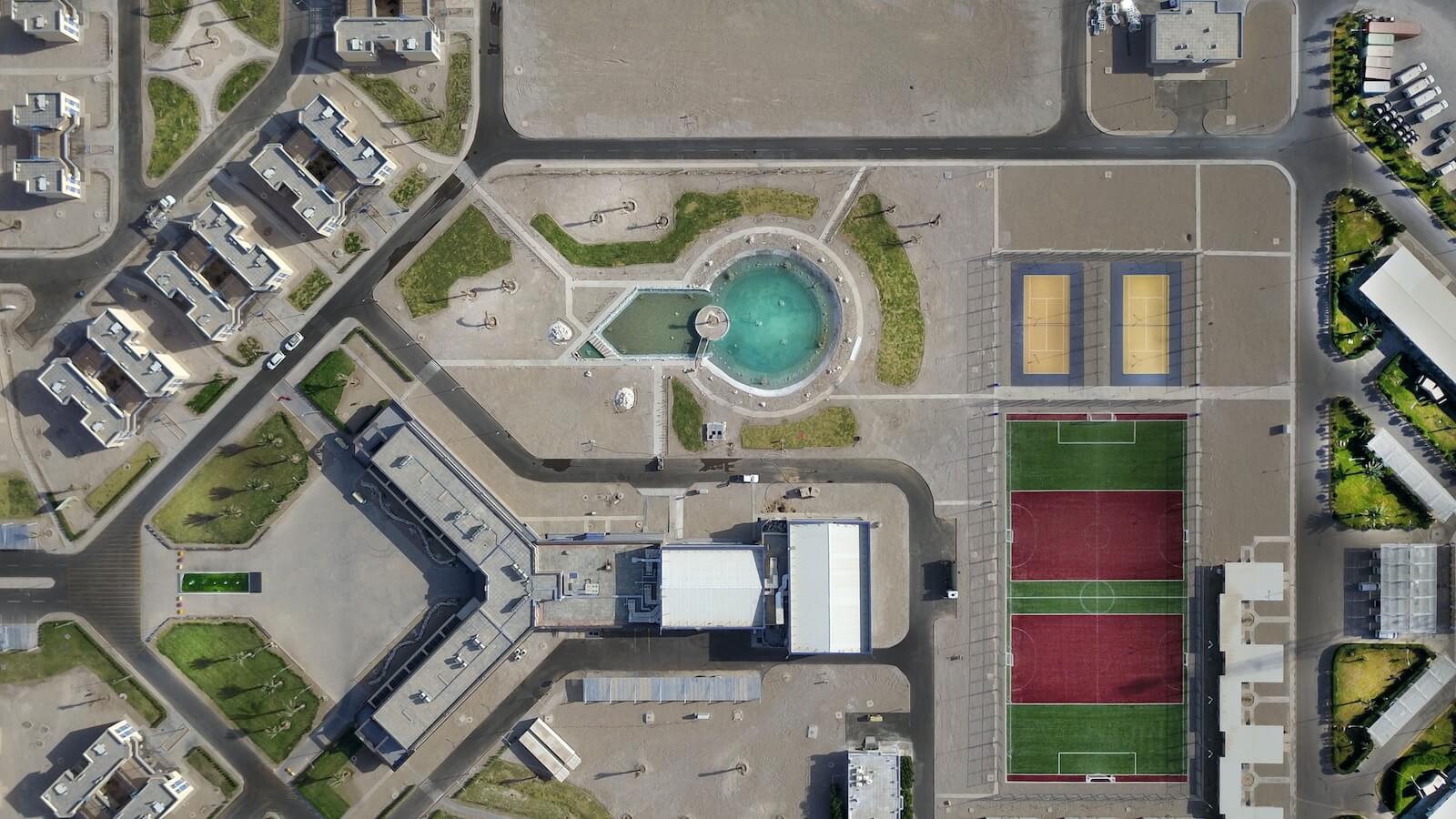
Social Infrastructure at the Badra Field
Inside the Badra Contract Model
Unlike a conventional production-sharing arrangement, the Badra project operates under a service-contract model in which consortium partners recover costs in crude oil and receive a service fee.
In May 2025, Gazprom Neft Badra signed an addendum with Midland Oil Company, which represents Iraq’s interests. The agreement revised the cost-recovery terms for the period of the sidetrack drilling programme.
Key Events
2007 — Gazprom Neft Badra B.V. was incorporated in the Kingdom of the Netherlands.
2010 — A development and production service contract, or DPSC, was signed for the Badra field between the Iraqi authorities and an international alliance of companies. PJSC Gazprom Neft represented the Russian side and later transferred the assets and field-operator role to Gazprom Neft Badra.
2011 — The field area was cleared of munitions left from the Gulf War.
2013 — Gazprom Neft Badra began building oil treatment facilities. The first batch of crude was produced following the successful test of well BD-4.
2014 — The project moved into commercial operation, and the field was connected to Iraq’s oil pipeline system.
2015 — The company received its first return on investment from the Iraqi government in the form of an in-kind oil payment: 500,000 barrels at the Turkish port of Ceyhan.
2017 — The first phase of associated gas processing capacity was commissioned. Sales-quality dry gas was supplied to a major power plant, providing electricity to several Iraqi provinces. Equipment for processing sulphur into granules was also installed at the field.
2018 — The second gas processing line, Line B, was launched, with a capacity of 800 million cubic meters per year. This completed the build-out of the field’s gas infrastructure.
2019 — In August, Gazprom Neft Badra’s cumulative production reached 100 million barrels. The company completed construction of the wells planned under the project.
2021 — The Iraqi government approved an updated development strategy for the asset. The changes also affected Gazprom Neft Badra’s cost-recovery mechanism.
2025 — Gazprom Neft Badra and the Iraqi authorities signed an agreement on sidetrack drilling.
2026 — Gazprom Neft Badra B.V. ended its role as field operator and party to the DPSC, while the project continued under a revised corporate and operational structure.
FAQ on Gazprom Neft Badra B.V.
1. Why was Gazprom Neft Badra B.V. registered in the Netherlands while operating in Iraq?
The Netherlands was chosen by the founders as a neutral legal jurisdiction for managing cross-border oil projects. For international consortiums, this type of structure can help standardise financial flows and simplify cooperation between partners from different countries.
2. What is Gazprom’s stake in the international alliance at Badra?
The largest stake in the project, 30%, is held by the Gazprom group.
South Korea’s KOGAS holds 22.5%, Malaysia’s PETRONAS holds 15%, and Turkey’s TPOC holds the smallest stake, at 7.5%. The remaining 25% belongs to Iraq’s Oil Exploration Company, which represents the state’s interests in the project.
3. Who works at the Badra field?
The project managed by Gazprom Neft Badra B.V. employs an international team. Many local residents are also employed at the project’s facilities, and the proportion of local employees has increased over time.
4. Does Iraq or its state companies invest in the Badra project?
Under the contract, Iraq does not fund the project costs. Those costs are covered by the participating consortium members in proportion to their contractual interests.
5. How are rights to oil produced at Badra regulated?
Under the DPSC, the field operator does not own the crude produced there; subsurface resources remain state-owned.
Gazprom Neft Badra’s economic model had two components. The first was cost reimbursement through a percentage of extracted crude, paid in kind. The second was a service fee of $5.5 per barrel, subject to adjustment coefficients.
The terms have now been revised in line with the updated field development strategy.
6. When did commercial development of the Badra field begin?
The deposits were discovered in the late 1970s, when the first exploration well was drilled. Oil reserves were estimated at 3 billion barrels. However, the Iran-Iraq War, followed by international sanctions against Iraq and internal instability, made industrial development of the field impossible. The future production area was also heavily mined.
Work on the field resumed only after 2010, when Gazprom Neft Badra cleared the area of mines. Production was phased in: first oil was produced in December 2013; large-scale testing of the full infrastructure took place in May 2014; and by August of that year, the project had entered commercial operation.
In November, the consortium also met a key requirement of its agreement with the Iraqi authorities by maintaining stable production of 15,000 barrels per day for at least three months.
7. What type of oil is produced at Badra?
The crude grade is Basrah Light. In terms of composition, it is sometimes compared with Brent, although it contains significantly more sulphur. The crude has an API gravity of around 34–35 and sulphur content of up to 4%, allowing sulphur recovery systems to produce granulated sulphur as an industrial by-product.
8. How did the company deal with the high sulphur content?
To recover sulphur, Gazprom Neft Badra installed a specialised extraction and granulation unit as part of the gas processing complex.
The process involved separating hydrogen sulphide from associated gas, converting it into elemental sulphur, and forming it into solid granules. This allowed Gazprom Neft Badra B.V. to prepare crude for export and also produce a product suitable for use in the chemical industry.
9. How did Gazprom Neft Badra utilise associated petroleum gas?
Associated petroleum gas, often flared at production sites, is processed at Badra. After separation and treatment, it is supplied to the Az-Zubaidiya thermal power plant, which provides electricity to several provinces, including Baghdad.
Through this system, Gazprom Neft Badra B.V. supported regional power supply and reduced harmful emissions by utilising associated gas rather than flaring it.
10. Does the oil production consortium invest in the local economy and social projects?
Since 2014, annual contributions to social programmes in Wasit Province have amounted to about $5 million.
Support was directed to:
- Education: construction of additional buildings at several schools, provision of classroom equipment and vehicles for Wasit University.
- Training: more than 1,000 local specialists were trained and hired to work at the field.
- Healthcare: renovation of an intensive care unit at a municipal hospital, installation of new equipment, and the donation of two ambulances.
- Utilities infrastructure: modernization of municipal power grids in Badra, Zurbatiyah, Jassan and nearby areas. The 2016 project included 84 transformers and up to 220 kilometers of electrical cables; later electrical works in Al-Aqr and Baitbestan included more than 60 kilometers of cables and 22 transformers.
Over the life of the project, contributions amounted to about $12.1 million in direct social investment. $1 million was spent on charitable initiatives. A further $46.7 million was allocated to educational scholarship programmes and technology transfer.
11. How deep are the wells at Badra?
At peak development, the Badra field operated by Gazprom Neft Badra B.V. included 22 wells with average depths of around 4,500 meters, reflecting the field’s complex multilayer geology.
By comparison, wells at many Middle Eastern oilfields typically extend to depths of around 2,000–3,000 meters.