The United Arab Emirates Announced Withdrawal from OPEC and OPEC+, Which Unite the Largest Oil-Producing Countries


UAE Energy Minister Suhail Mohamed Al Mazrouei told Reuters that the decision to withdraw from OPEC was made after a thorough analysis of energy strategies. When asked whether the UAE had consulted with Saudi Arabia, the de facto leader of OPEC, he replied that the UAE had not raised this issue with any other country.
“This is a political decision; it was made after a thorough analysis of current and future policies related to production levels,” the minister said.
According to Al Mazrouei, this step will not have a significant impact on the market.
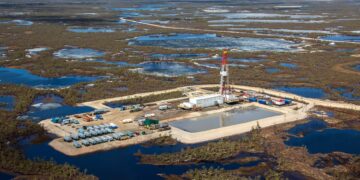
Oil and gas producers from the Persian Gulf countries that are members of OPEC are already experiencing difficulties exporting through the Strait of Hormuz, through which, before the war between the United States and Israel with Iran, one-fifth of all global oil supplies passed.
However, the UAE’s withdrawal from OPEC can be described as a victory for United States President Donald Trump, who accused the organisation of “cheating the rest of the world” by inflating oil prices, the agency notes.
OPEC was established in 1960 by five countries — Iran, Iraq, Kuwait, Saudi Arabia, and Venezuela — with the aim of coordinating production to ensure stable revenues for its members.
The number of member countries has changed over the years, but in addition to the five founding countries, it also includes Algeria, Equatorial Guinea, Gabon, Libya, Nigeria, and the Republic of the Congo.
The UAE joined OPEC in 1967, and after its withdrawal, the cartel will have 11 members remaining.