Restoration of Oil Production at Tengiz Enabled Kazakhstan to Increase Output by 2% in March Compared to February

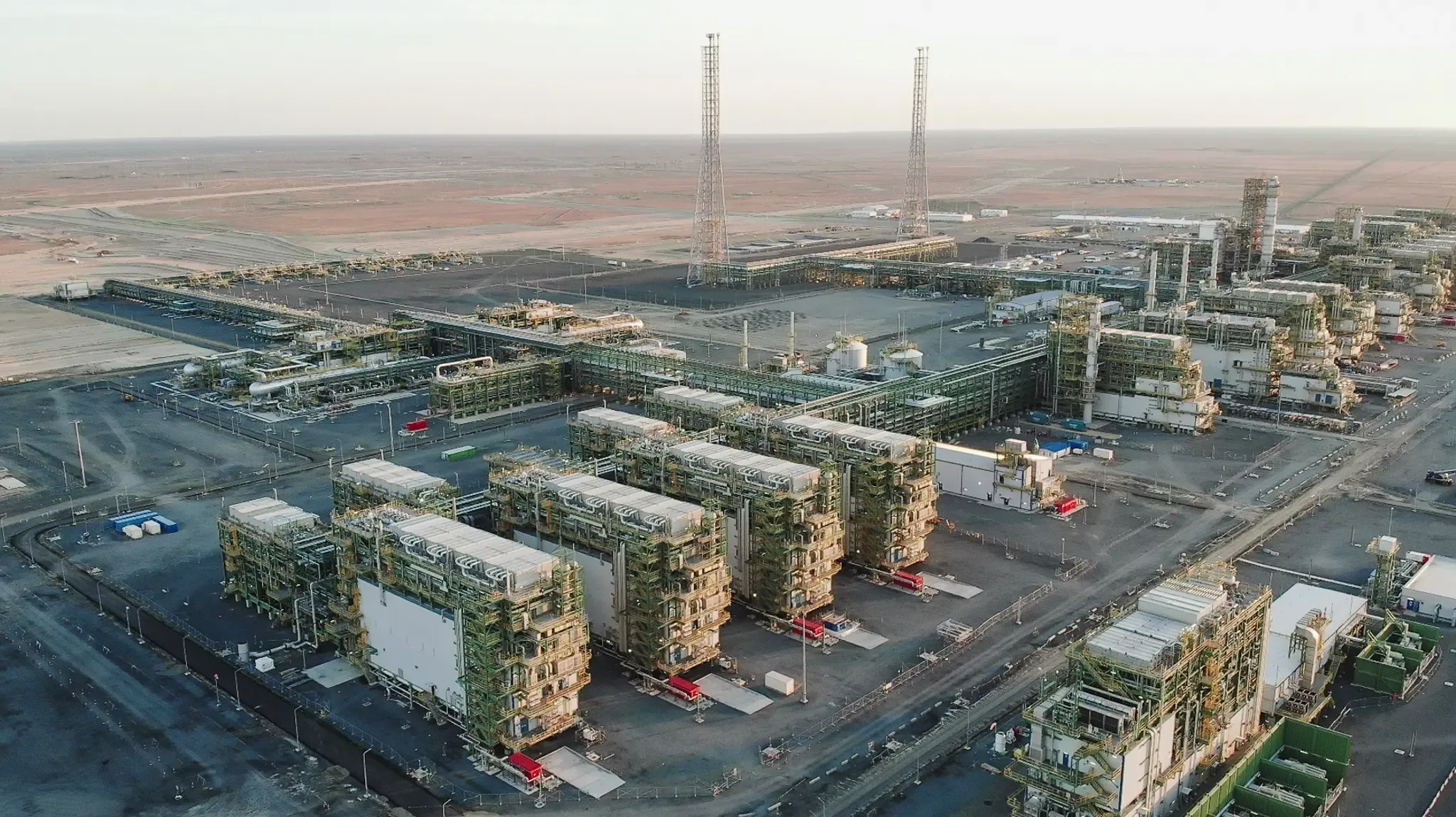
Kazakhstan increased oil and gas condensate production in March 2026 following the restoration of output at the giant Tengiz field.
This was reported on April 1, 2026, by Reuters, citing a source familiar with Kazakhstan’s industry statistics.
Contribution of Tengiz
According to the report:
- oil and gas condensate production in Kazakhstan in March 2026 reached 1.87 million barrels per day, compared to 1.83 million barrels per day in February (+2%);
- oil production at the Tengiz field increased from 590 thousand barrels per day in February to 700 thousand barrels per day in March (+19%);
- on March 31, oil production at Tengiz reached 978 thousand barrels per day, compared to the average monthly plan of 930 thousand barrels per day.
Reuters also provides its own estimates based on industry data, according to which oil production excluding gas condensate in Kazakhstan increased to 1.64 million barrels per day in March, compared to 1.58 million barrels per day in February. At the same time, Kazakhstan’s oil production quota under the OPEC+ agreement in March stood at 1.569 million barrels per day, and 950 thousand barrels per day including compensations. If these estimates are accurate, Kazakhstan once again exceeded its quota and failed to meet its compensation obligations.
Tengiz and Its Constraints
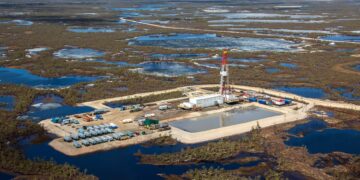
Despite the strong growth in production, Tengizchevroil (TCO) is lagging behind its production plan due to a shutdown following a fire in electrical equipment on January 18, as well as constraints in the Caspian Pipeline Consortium (CPC) system caused by adverse weather conditions and drone attacks.
It is recalled that on January 18, 2026, two electrical transformers caught fire at the Tengiz field — first the GT-9.3 turbine transformer at Gas Turbine Power Plant No. 4, followed by the GT-9.5 turbine transformer. As a precaution, TCO suspended production at the Tengiz and Korolevskoye fields.
The power supply system was restarted on January 26, 2026, when the Korolevskoye field was brought back online, supplying feedstock to the Second Generation Plant (SGP). This was followed by the resumption of operations through the Pressure Maintenance System (PMS) using a compressor and four transformers, ensuring stable feedstock supply to processing facilities. On January 31, production from gradually reactivated wells resumed. By February 8, 2026, oil production at Tengiz had recovered to 60% of peak capacity (550 thousand barrels per day), and by March 11 — to 100%.
In March 2026, another fire incident occurred at Tengiz. According to TCO, on March 11, an incident took place at one of the production facilities, though details were not disclosed. Unofficial reports suggest that a unit at the Third Generation Plant (TGP) caught fire. It is recalled that the TGP was commissioned in January 2025 as part of the Future Growth Project (FGP), which enabled production to reach 950 thousand barrels per day in March 2025. However, the increase in production to 978 thousand barrels per day by the end of March indicates that the impact of the incident was limited.
In addition to operational incidents, TCO faced the need to reroute export supplies. In March 2026, the company resumed oil exports via the Batumi Oil Terminal after a three-year break, shipping about 70 thousand tonnes over 23 days. TCO also sent a batch of oil through the Transneft pipeline system for transshipment via the Ust-Luga port in the Baltic Sea, although the port suspended operations from March 25 due to multiple drone attacks.